


ASD-B IN – A different perspective on the recent hype

Joined: Mar 2002
Aviation Qualifications: ATPL
Posts: 9,223
Likes: 989
From: Seat 1A
Originally Posted by 43 Inches
One of the main concerns was radio traffic for control services, so a main concept in GAAP was to reduce radio traffic by not requiring full clearances and the traffic just followed each other with joining 'instructions'. The only clearance required was the take-off and landing part.
The waffle that has crept into ATC procedures lately really has significant safety implications in complex, busy situations.
The waffle that has crept into ATC procedures lately really has significant safety implications in complex, busy situations.
Now back to normal programming.

If ADSB-In could be verified as accurate, then it would make the big boy's lives easier out in the sticks when dealing with bug smashers and frighteners.

Joined: Jul 2022
Posts: 204
Likes: 165
From: North Haven
Class D was implemented to calm down (read, shut up) a prominent aviation identity. Except it isn't really Class D is it. Class D you can call inbound from anywhere, what we really have is GAAP re-named Class D. Carrum and Braahton were the only inbound reporting points I could find without putting it into the pad or GPS, meaning, you could find Carrum while still looking out the window instead of having to navigate via GPS via the other points cos they've all blended in to the urban sprawl. By the looks of that pic, most of them are going to head in via Carrum.

Moderator

Joined: Apr 2005
Posts: 4,382
Likes: 490
From: Melbourne
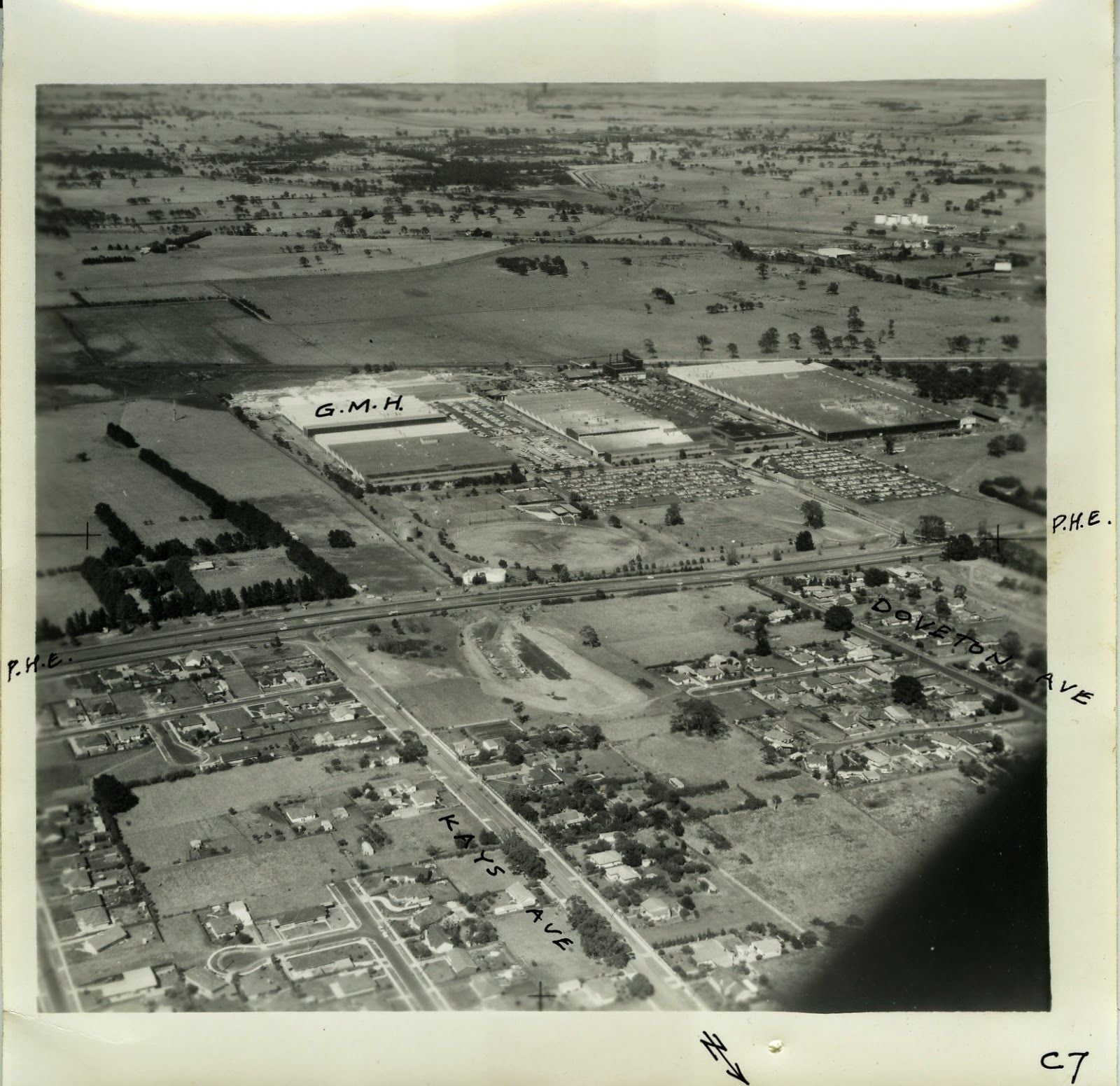
The GMH building is another one. I saw a photo of it the other day on Facebook from back in the day. It was seemingly the only large building for kilometres. Now it’s completely lost in a sea of factories. I haven’t personally used that approach point for years as it heads to the busier circuit, is further to taxi, it backs more onto the training area and it’s entirely over suburbia. So as you say, Carrum is the preferred as it doesn’t have all that, plus it has beach to land on.

Joined: Oct 2007
Posts: 3,628
Likes: 1,185
From: Aus
Surely that crash showed the "limitations of see and avoid" as per ATSB?
The GMH building is another one. I saw a photo of it the other day on Facebook from back in the day. It was seemingly the only large building for kilometres. Now it’s completely lost in a sea of factories. I haven’t personally used that approach point for years as it heads to the busier circuit, is further to taxi, it backs more onto the training area and it’s entirely over suburbia. So as you say, Carrum is the preferred as it doesn’t have all that, plus it has beach to land on.
Joined: Mar 2006
Posts: 188
Likes: 54
From: Feels like BN CTR
Joined: Aug 2022
Posts: 1,094
Likes: 278
From: Melbourne, Victoria
There are bound to be recommendations for better SA coming out of that accident, and it will be interesting to see what those are.
Joined: Jul 2022
Posts: 204
Likes: 165
From: North Haven
The GMH building is another one.
Joined: Jun 2010
Posts: 182
Likes: 104
From: sydney
If nobody can spot them, then there ain’t much chance of two being in the same place then is there?

Joined: Feb 2000
Posts: 4,704
Likes: 589
From: 500 miles from Chaikhosi, Yogistan
Joined: Jul 2022
Posts: 204
Likes: 165
From: North Haven
If nobody can spot them, then there ain’t much chance of two being in the same place then is there?
Read what I wrote again slowly. Have a think about it. If you need me to break it down for you, let me know.
Joined: Oct 2007
Posts: 3,628
Likes: 1,185
From: Aus
It's actually a very good point, watching a flight bag display, or even traffic display inside the aircraft takes a lot of time away from an effective visual scan. Very different to ACAS, which only alerts you when it detects a conflict. Another example of seemingly good technology that can work against safety in some respects.
Joined: Jun 2010
Posts: 182
Likes: 104
From: sydney
I take your points, but you can’t have it both ways.
if someone is direct to the reporting point then chances are they do have their eyes outside. That’s a good thing.
if they are staring at an EFB then they may well have at least have some idea about potential conflicts. I agree that heads down direct to is probably a bit dopey. Is there any evidence to suggest this is what happens or are we just guessing? I certainly don’t do that.
What’s the proposed solution? No reporting points? Just call 3miles from the D anywhere?
do we think that improves things?
if someone is direct to the reporting point then chances are they do have their eyes outside. That’s a good thing.
if they are staring at an EFB then they may well have at least have some idea about potential conflicts. I agree that heads down direct to is probably a bit dopey. Is there any evidence to suggest this is what happens or are we just guessing? I certainly don’t do that.
What’s the proposed solution? No reporting points? Just call 3miles from the D anywhere?
do we think that improves things?
Joined: May 2005
Posts: 3,863
Likes: 445
From: QLD - where drivers are yet to realise that the left lane goes to their destination too.
Ever used Direct to function on a GPS
Joined: Aug 2022
Posts: 1,094
Likes: 278
From: Melbourne, Victoria
That's the thing isn't it. GPS is accurate. A published waypoint programmed in is essentially exactly the same spot for everyone. Using GPS the chances of being in exactly the same spot as someone else is proportionally higher than if just DR or visual nav was being used.

Is it just me or is the size of the average Cessna circuit at YMMB getting larger these days?? I expect sometime soon they'll be outside 3 miles and turning base at Carrum with the rest of us.
Thread Starter
Joined: Mar 2000
Posts: 848
Likes: 375
From: Canberra ACT Australia
I’ve been a bit busy and will catch up on some of the important earlier posts, but I have to say that – as with ADS-B IN - TCAS/ACAS is not the panacea either, at least not for aircraft in the vicinity of GAAPs – sorry ‘D Metropolitan’ - when they are busy. Lots of traffic in ‘close’ proximity.
When I started training and did flights in and out of YSBK, it was three parallel runways in operation, 3 aircraft rolling, 3 on short final, me on long final with an aircraft off each wing on final to the other runways, inbound traffic behind and outbound traffic in the general opposite direction (hopefully at least 500’ vertical separation). What do we think TCAS/ACAS would be doing during all of this?
As touched on earlier, it will be very interesting to see what avionics were fitted to the helicopters involved in the Seaworld tragedy.
When I started training and did flights in and out of YSBK, it was three parallel runways in operation, 3 aircraft rolling, 3 on short final, me on long final with an aircraft off each wing on final to the other runways, inbound traffic behind and outbound traffic in the general opposite direction (hopefully at least 500’ vertical separation). What do we think TCAS/ACAS would be doing during all of this?
As touched on earlier, it will be very interesting to see what avionics were fitted to the helicopters involved in the Seaworld tragedy.
Last edited by Clinton McKenzie; 13th November 2023 at 23:39.
Joined: May 2005
Posts: 3,863
Likes: 445
From: QLD - where drivers are yet to realise that the left lane goes to their destination too.
Looking at the in chopper footage again, it doesn't appear that the pilot is particularly looking anywhere but outside. It's not like his attention is attracted to a particular instrument, and then he reacts by looking in the threat direction. He seems oblivious up to the moment of impact.
Joined: Oct 2007
Posts: 3,628
Likes: 1,185
From: Aus
Looking at the in chopper footage again, it doesn't appear that the pilot is particularly looking anywhere but outside. It's not like his attention is attracted to a particular instrument, and then he reacts by looking in the threat direction. He seems oblivious up to the moment of impact.