


Heli Down In Huntington Beach 11th October 2025


Joined: Mar 2009
Posts: 44
Likes: 60
From: Reno, NV.


Joined: Aug 2008
Aviation Qualifications: PPL
Posts: 90
Likes: 51
From: Ireland
martinebrangan your total lack of aviation experience (as a long time crash thread junkie) is showing in such an inaccurate statement about pilot input.
A well trained helicopter pilot can recognise and contain the outcome of a TR failure in a number of ways, depending on the circumstances. In this case an immediate cutting of the throttles (or possibly lowering of the collective) would reduce the torque to the MR and arrest the rotation. Further action can reduce the impact; been there, done that and survived.
A well trained helicopter pilot can recognise and contain the outcome of a TR failure in a number of ways, depending on the circumstances. In this case an immediate cutting of the throttles (or possibly lowering of the collective) would reduce the torque to the MR and arrest the rotation. Further action can reduce the impact; been there, done that and survived.

Joined: Oct 2006
Aviation Qualifications: A&P
Posts: 1,346
Likes: 270
From: USA
Another point to note is the physical weight loss when the blades and gearbox output quill departed which more than likely gave a noticeable CG shift. And depending on how he was loaded, he may even have been hitting the cyclic stops during the event which made his decent even more interesting.
Joined: Aug 2008
Aviation Qualifications: PPL
Posts: 90
Likes: 51
From: Ireland
Joined: Jan 2024
Posts: 153
Likes: 90
From: Finland
That was the point I was trying to make. Operating roof mounted throttles in a spinning cockpit is hard, operating Engine On/Off switches is next to impossible, at least if not flying multi crew.

Joined: Feb 2006
Posts: 557
Likes: 27
From: At home
I take the videos into account, but as it seems to be mobile videos, lots can be different than what it seems less than 24 hours after the event. I think it is too early to conclude like you do here.
Now, when the first sign of nose going right, one would expect with that low speed and height almost in a OGE hover, lowering the lever on instinct would stop the right movement or at least limit it, and from that height the rotors have quite a bit of inertia for a hoverauto to a rolling landing. Pulling an armpit full of collective from almost no forward speed if you suspect your tail has failed is irrational when the parking lot is dead ahead and open…
Obviously everyone can do irrational inputs, and lots of different things can be the cause, so to conclude what is the cause this short time after the accident based on some iPhone videos is premature.


Joined: Feb 2006
Posts: 1,067
Likes: 40
From: On the big blue planet
Now, when the first sign of nose going right, one would expect with that low speed and height almost in a OGE hover, lowering the lever on instinct would stop the right movement or at least limit it, and from that height the rotors have quite a bit of inertia for a hoverauto to a rolling landing. Pulling an armpit full of collective from almost no forward speed if you suspect your tail has failed is irrational when the parking lot is dead ahead and open…
Luckily the pilot survived and could tell the story
skai


Joined: Sep 2023
Aviation Qualifications: CPL
Posts: 219
Likes: 99
From: Montana
In South Africa anyway, the 222 was more know because of Airwolf rather than it's reputation as being a very good helicopter. I never flew one but as I understand it the machine did not deal with Hot and High very well and as such there were few of them about.
There was one located in the hangar next to ours, yes I had a hangar at one in time, but it seemed to spend more time being attended to by techies and we did not often see it or hear the thump thump sound of it flying.
There was one located in the hangar next to ours, yes I had a hangar at one in time, but it seemed to spend more time being attended to by techies and we did not often see it or hear the thump thump sound of it flying.
Joined: Jun 2016
Aviation Qualifications: CPL
Posts: 1,318
Likes: 386
From: Brantisvogan
And yet one of the operators has bought every carcass out there and put them to work in HEMS roles.
Joined: Sep 2023
Aviation Qualifications: CPL
Posts: 219
Likes: 99
From: Montana
To the best of my knowledge there were less than 5 of them in SA. NAC brought in a whole lot of 430's which in the end had a very bad consequence when one of them threw a blade in flight.
A good friend of ours also lost his life, in Angola in a 430. The same guy had previously managed to land a 407 after its own tail rotor sailed and chopped off its own tail boom.


Joined: Jun 2016
Aviation Qualifications: CPL
Posts: 1,318
Likes: 386
From: Brantisvogan
SA is where old Bells go to die.
Not many left, mainly UT’s.
430 debacle is a subject for a different topic.
Chief Bottle Washer

Joined: Sep 2000
Aviation Qualifications: ATPL
Posts: 7,252
Likes: 1,437
From: PPRuNe
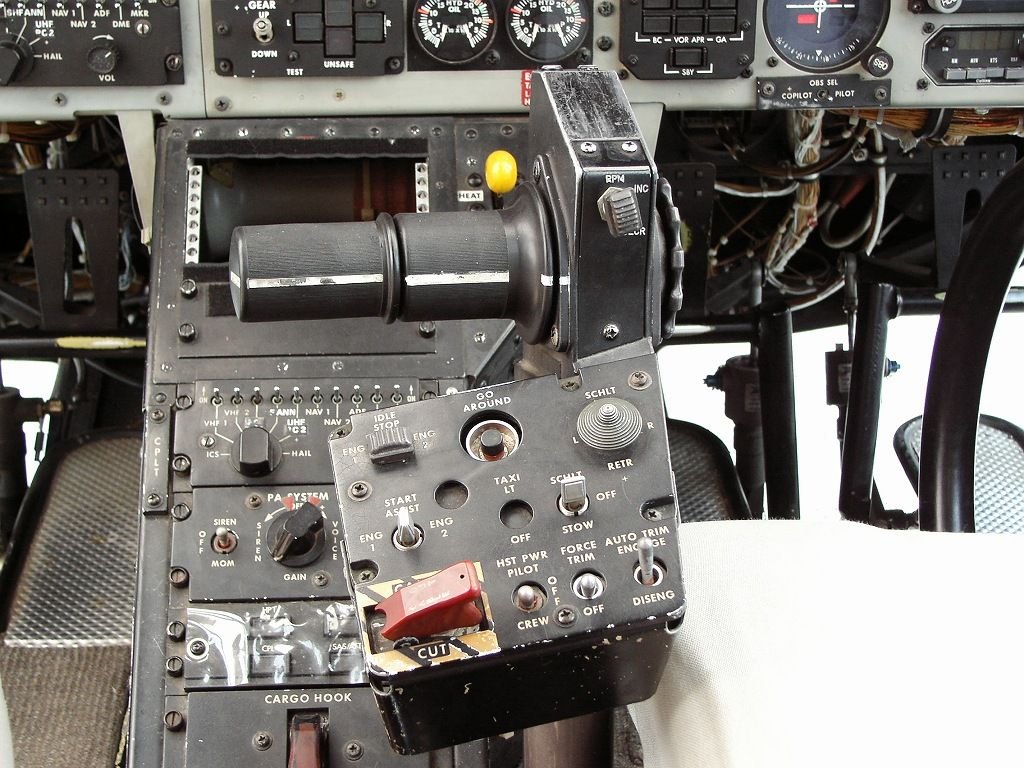
For clarification of some basic helicopter dynamics (for the non helicopter aviators here), the tail rotor is there to counteract the torque from the main rotor which is trying to turn the fuselage in the opposite direction to the main rotor. In the case of a tail rotor failure you need to reduce or remove that torque by reducing the engine power; as I commented in my first post this can also be done by lowering the collective which is relatively easy and instinctive action. Or, of course, roll off the throttles which are there in your left hand.
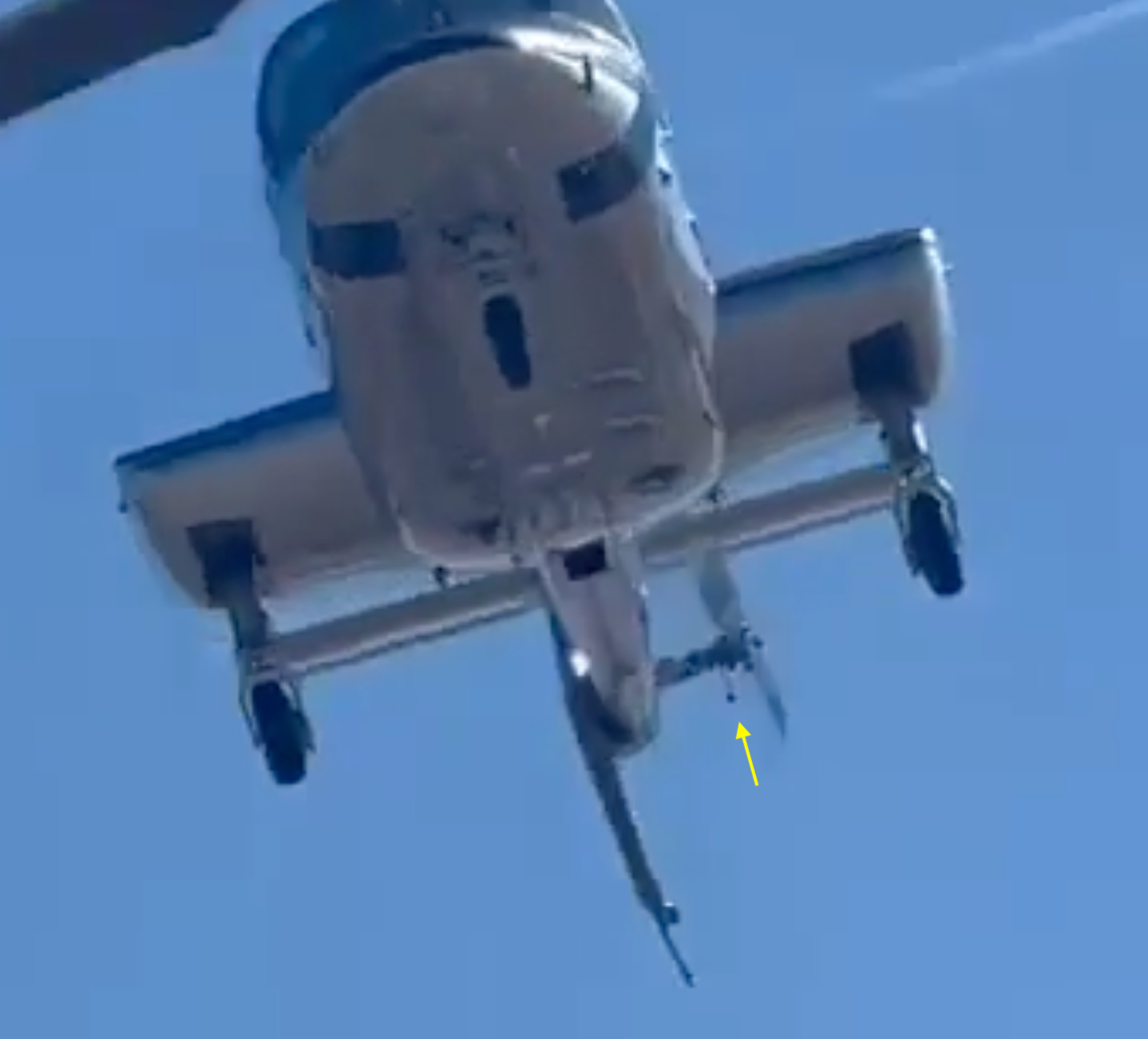
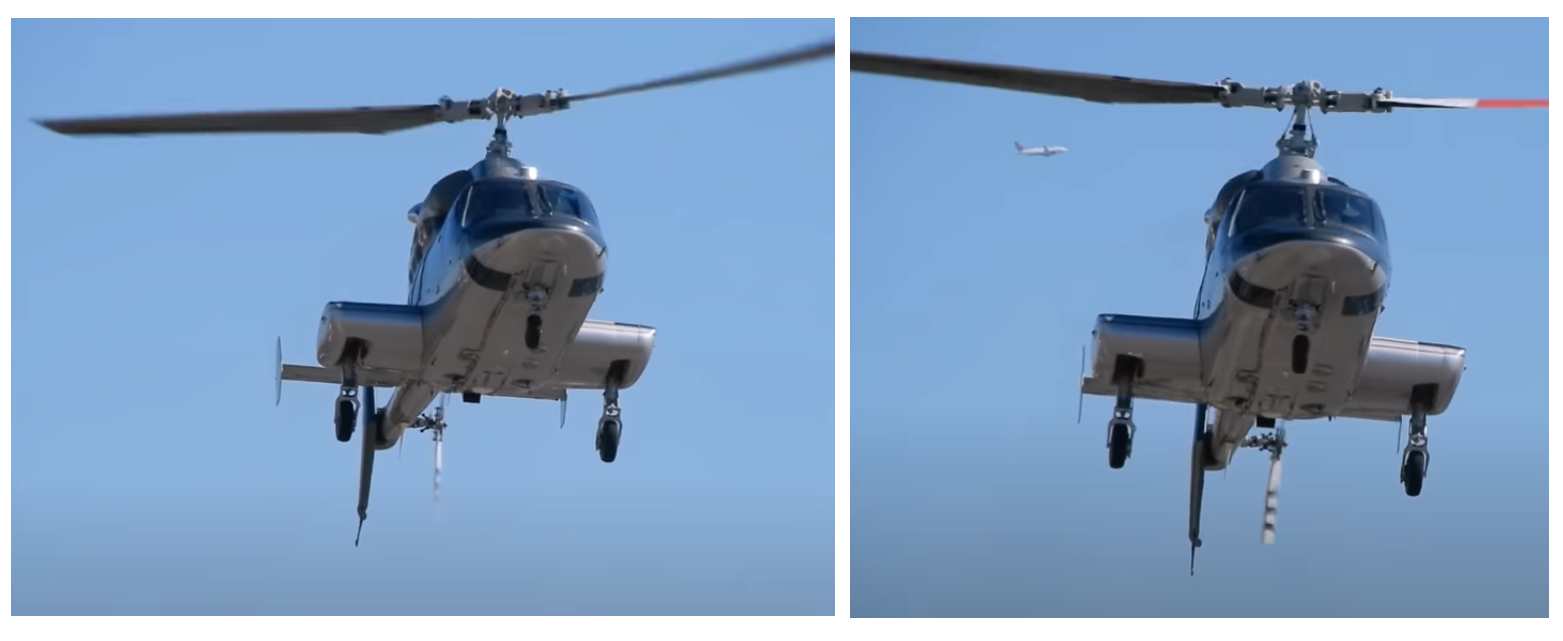
There is some compelling indication of failure of a tail rotor pitch link or similar in some of the images in this thread, but also some conjecture which appears based on video with oft seen electronic distortion caused by the recording itself.
Joined: Jul 2021
Posts: 177
Likes: 123
From: Southern United States
I’m sure others have noticed the change in sound from the tail rotor right before the climb was initiated, i thought the tail rotor had gone into one of the palm trees at first but was just the angle in the video.
I wonder if this noise was from a failure of a pitch link and the sound was the tail rotor blade fluttering for lack of a better term? Seems like this would reduce thrust on from the tail rotor by half, in turn causing the yaw.
Then the vibration of the flutter caused the blade attaching hardware to fail and separate, followed by the rest of the assembly?
FltMech
I wonder if this noise was from a failure of a pitch link and the sound was the tail rotor blade fluttering for lack of a better term? Seems like this would reduce thrust on from the tail rotor by half, in turn causing the yaw.
Then the vibration of the flutter caused the blade attaching hardware to fail and separate, followed by the rest of the assembly?
FltMech

Joined: May 2025
Posts: 1
Likes: 0
From: Long Island, New York
Video that I saw
I've seen quite a few posts in the thread stating that there was no apparent tail strike previous to the start of rotation. I'm betting I can't find it again, but I did watch one video taken from nearly directly below and slightly to the right of the Triple Deuce as it approached the landing area, In that short clip, the rear of the tail boom and the tail rotor can be seen to contact some of the top outer branches or fronds of the palm, after which the rotation to the right begins nearly immediately. As someone who sat half a dozen feet in front of spinning main and tail rotors for a decade of my life, I'm always conscious of the threat of contact, often when there have been only inches to spare. From any of the other videos I watched, I did not see that contact, but I was thankful for the one person who caught it, and I would hope that it gets into the record during the investigation.