AS350 Portland -> Anchorage Ferry

Thread Starter
Joined: Feb 2025
Posts: 9
Likes: 9
From: South Africa
AS350 Portland -> Anchorage Ferry
I've got a ferry coming up from Portland to Anchorage in a AS350 with range extended tanks. Was wondering if anyone had flown that route and could give any info. Not from around here so not sure if there is a usual route that pilots take? Coast looks a lot shorter but weather along there doesn't look great, is it better to be inland?


Joined: Sep 2011
Posts: 522
Likes: 77
From: USA
Can't help you on the journey, but when you get to Anchorage, stop by the F Street Station pub downtown and join the plethora of drunken pilots for a beer and a whine ! 121.5 is always very busy up there with ATC looking for lost aircraft, so I suggest you fly your single engine via the most populated route you can find.

Joined: Nov 2010
Posts: 206
Likes: 91
From: Canada
I've got a ferry coming up from Portland to Anchorage in a AS350 with range extended tanks. Was wondering if anyone had flown that route and could give any info. Not from around here so not sure if there is a usual route that pilots take? Coast looks a lot shorter but weather along there doesn't look great, is it better to be inland?
You could go coastal - Portland to Victoria, BC (Clear customs here easy) then up past Port Hardy, Bella Bella, Prince Rupert, then in to Alaska through Ketchikan, Sitka and up the coast. But you do not have many Plan B diversion spots on this route.
Another option is inland.
Bellingham WA - Abbotsford, BC (Clear Canada customs) - Williams Lake - Smithers - Dease Lake - Whitehorse - Northway Airport Alaska (Clear US customs) - Anchorage.

Joined: Jan 2019
Posts: 36
Likes: 6
From: Michigan
If you don’t have confidence in the weather allowing you to do the coastal route then the safer way would be inland as MLH described. Prince George is also a good option for stopping for fuel and support. Yellowhead Helicopters is a good operator based there and would be likely to help you if you were in a bind. I used to work for them and enjoyed my time with them…
IF you can do the coastal route do it. It would be spectacular. I haven’t done it personally but I would if the opportunity presented itself…
Prince Rupert is a nice town (when the weather is good) and if Breakers is still in business it serves highly serviceable bar food and beer. Go to Seal Cove rather than the PR airport…
IF you can do the coastal route do it. It would be spectacular. I haven’t done it personally but I would if the opportunity presented itself…
Prince Rupert is a nice town (when the weather is good) and if Breakers is still in business it serves highly serviceable bar food and beer. Go to Seal Cove rather than the PR airport…
Moderator
Joined: Oct 2022
Aviation Qualifications: ATPL
Posts: 913
Likes: 417
From: NYC
Weather determines your route and progress.
Three routes available to you depending upon your fuel range.
The Coast, the Trench, or the Alcan...pick your poison.
Have done all three. The Alcan route is the most dependable with a nice road to follow and places to stop along the way. The weather has to get really....really bad to force you to stop.
Laird River Hot Springs is a must place to visit.
The trench runs from White Horse to Prince George with not much in-between. The Trench can be a point of no return flight should the weather turn on you.
Then there is the Coast route which can be very pretty or really bad weather.
Carry your survival gear, shotgun and fly your flight plan route so if you have to land out folks know where to come looking for you.
Three routes available to you depending upon your fuel range.
The Coast, the Trench, or the Alcan...pick your poison.
Have done all three. The Alcan route is the most dependable with a nice road to follow and places to stop along the way. The weather has to get really....really bad to force you to stop.
Laird River Hot Springs is a must place to visit.
The trench runs from White Horse to Prince George with not much in-between. The Trench can be a point of no return flight should the weather turn on you.
Then there is the Coast route which can be very pretty or really bad weather.
Carry your survival gear, shotgun and fly your flight plan route so if you have to land out folks know where to come looking for you.
Fleet Manager


Joined: Aug 2006
Aviation Qualifications: CPL
Posts: 7,081
Likes: 2,938
From: Ontario, Canada
I've flown the big part of that trip in reverse, Wasilla to Vancouver in an MD500. I was mentored by a very experienced pilot, who knew the route, and alternates. Three of us flew back two machines, with Dan keeping an eye on both of us. We did it in late October, so short days, Day VFR only. Wasilla - Gakona - Tok - Beaver Creek (Yukon) - Whitehorse - Dease Lake - Bell 2 Lodge (truck stop with helipads and Jet fuel) - Stewart - Prince George - Lillooet - Vancouver. We wanted to fly the coast, but poor weather. Flying the Fraser river valley is a good route, not remote, and really nice scenery. Have an understanding of mountain flying before you do the trip. Take good survival gear, the north half of the trip is very remote, no matter which way you go!

Joined: Oct 2004
Posts: 132
Likes: 6
From: N/A
Plan all three and let the weather on the day will dictate which one you execute. Discovery Helicopters in Atlin has fuel and it's easily doable from Bell 2, or even Smithers at altitude with a tailwind using Dease Lake as an alternate. It definitely doesn't hurt to carry a few jerry cans though. There's almost unlimited daylight so no reason to do anything silly. If you go the coast route and you don't have pop out floats, make sure you're wearing a life vest. Also know how to use a Canadian FSS RCO.
Joined: Sep 2004
Aviation Qualifications: ATPL(H)
Posts: 2,371
Likes: 877
From: Canada
No matter what route you take…
Dress appropriately.It may be warm down south but it is cold up north.
( AKA : Be prepared to stand around for 24 hours looking stupid wearing nothing but the clothes on your back because all the great survival equipment burned / sank with the wreckage. )
If you are flying the coast over water wearing a zipped up dry suit is the way to go. ( trust me you will not have time to zip it up on the way down! )
Have fun take photos.
Dress appropriately.It may be warm down south but it is cold up north.
( AKA : Be prepared to stand around for 24 hours looking stupid wearing nothing but the clothes on your back because all the great survival equipment burned / sank with the wreckage. )
If you are flying the coast over water wearing a zipped up dry suit is the way to go. ( trust me you will not have time to zip it up on the way down! )
Have fun take photos.
Joined: Jan 2003
Posts: 365
Likes: 15
From: CYPG
Don't cross the border with a weapon.. Or if you do, make sure you cross ALL the T's and dot ALL the I's.. Border Police will likely confiscate the gun and turn you around!

Thread Starter
Joined: Feb 2025
Posts: 9
Likes: 9
From: South Africa
Thanks for all the detailed info and advice. It is much appreciated. We'll check the weather the day before and if its clear skies it will be the coastal route, otherwise sounds like the Trench route will work. We've got almost 500nm range which helps, but won't plan on doing more than 400 on a leg.
Sir Korsky, I'll definitely pop in to F Street Station. We going to be in Anchorage for a few days before mobilising to site so will make the most of it
Sir Korsky, I'll definitely pop in to F Street Station. We going to be in Anchorage for a few days before mobilising to site so will make the most of it
Thread Starter
Joined: Feb 2025
Posts: 9
Likes: 9
From: South Africa
I've worn one of those on a Ferry from Greenland - Iceland - Faroe Islands - Inverness and I can honestly say it put me off ever signing up for a gig where you have to wear them permanently. But yes would definitely be grateful for it if you go down in those waters.
Thread Starter
Joined: Feb 2025
Posts: 9
Likes: 9
From: South Africa
Thanks I had never heard of these Canadian FSS RCO.
From Google:
From Google:
- 1. Locate the RCO:
Find the RCO's frequency on charts or other relevant documents. Some RCOs may be associated with a VOR, and in some cases, the RCO frequency might be a receive-only frequency transmitted by the VOR. - 2. Tune your radio:
Select the RCO's published frequency on your communication radio. - 3. Establish the link:
Press the microphone button four times in rapid succession (within 4 seconds). This action initiates the link with the FSS. - 4. Listen for confirmation:
You should hear a dial tone and the message "lien établi/link established" confirming the link has been established. - 5. Proceed with communication:
You can now initiate your radio communication with the Flight Service Station. - 6. Troubleshooting:
If you experience difficulties, double-check the frequency, ensure the microphone button is pressed correctly, and if necessary, try calling another FSS station or using the universal frequency 122.2 (for FSS/Supplemental Weather Service) if in doubt. "
Joined: Sep 2011
Posts: 522
Likes: 77
From: USA
On a serious note, the homeless population in Anchorage is chronic. Many indigenous young villagers come down into the city and some can be quite aggressive, especially now it's getting warmer. It's not a war zone, but just be aware. Hands in pockets and eyes forward is best strategy.
Joined: Nov 2010
Posts: 206
Likes: 91
From: Canada
Tons of great info and resources on the Nav Canada website. Link here: NavCanada
You would be dealing with the Kamloops FIC - you can simply give them a call with any questions or for a weather briefing. The weather briefings they give by phone are excellent. 1-866-541-4101
If you have never flown in to Canada from the USA this is a good overview from a general aviation perspective
Joined: Oct 2004
Posts: 132
Likes: 6
From: N/A
No, Google's AI answer is wrong, most of that is for a DRCO (which I believe Bob Quinn no longer has). It will be Pacific Radio or Whitehorse Radio from YDL north and are usually 123.###MHz. You'll be talking directly to someone but they can take a while to answer your calls at times, I believe the AIM states you must call with the frequency you're using as the operator is usually manning multiple different frequencies. The TC AIM is a great resource and it's your job as a pilot flying in Canada to know the local procedures, there are a lot of infringements each year from US aircraft not knowing these rules. Have fun!
Thread Starter
Joined: Feb 2025
Posts: 9
Likes: 9
From: South Africa
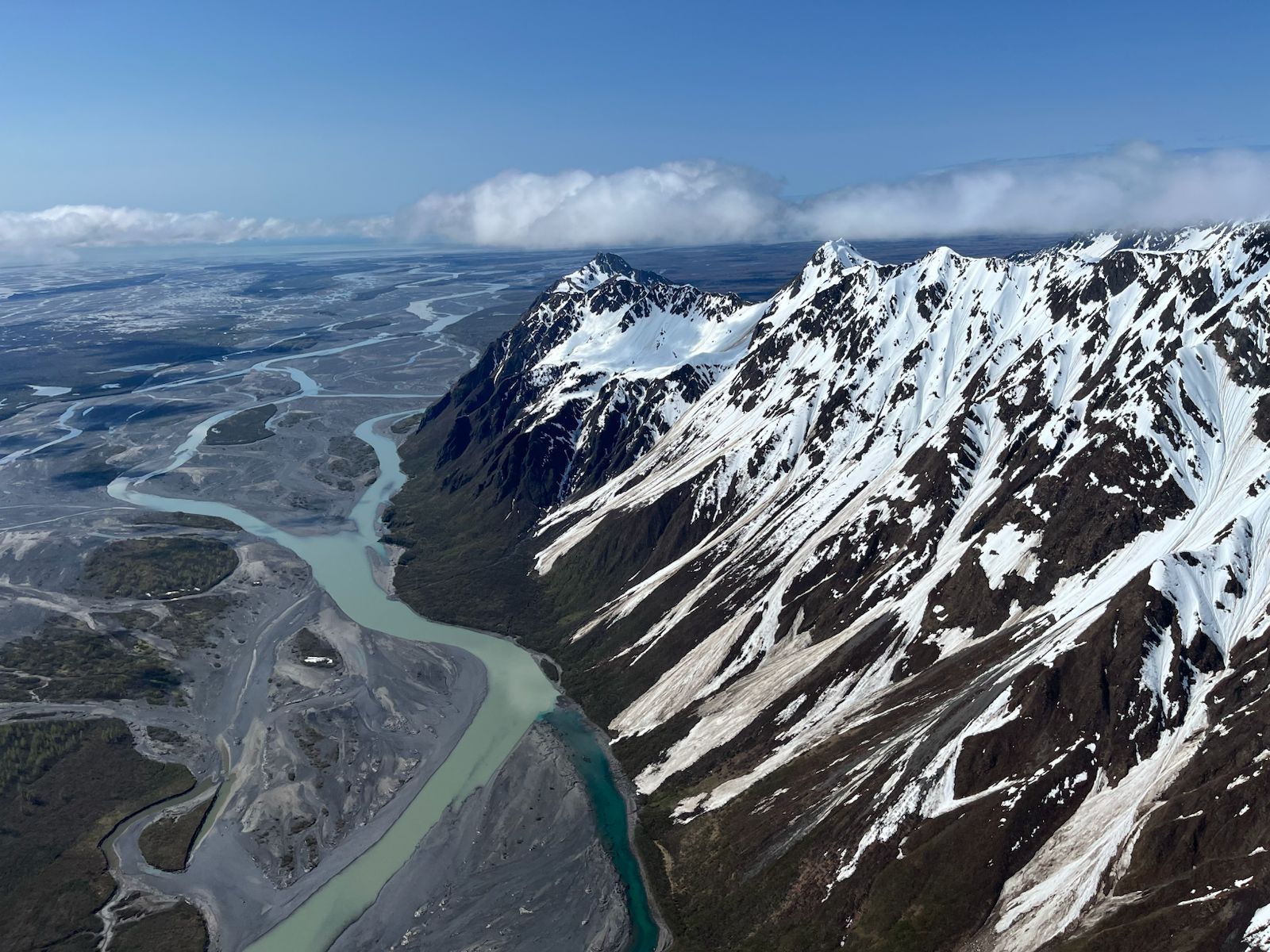
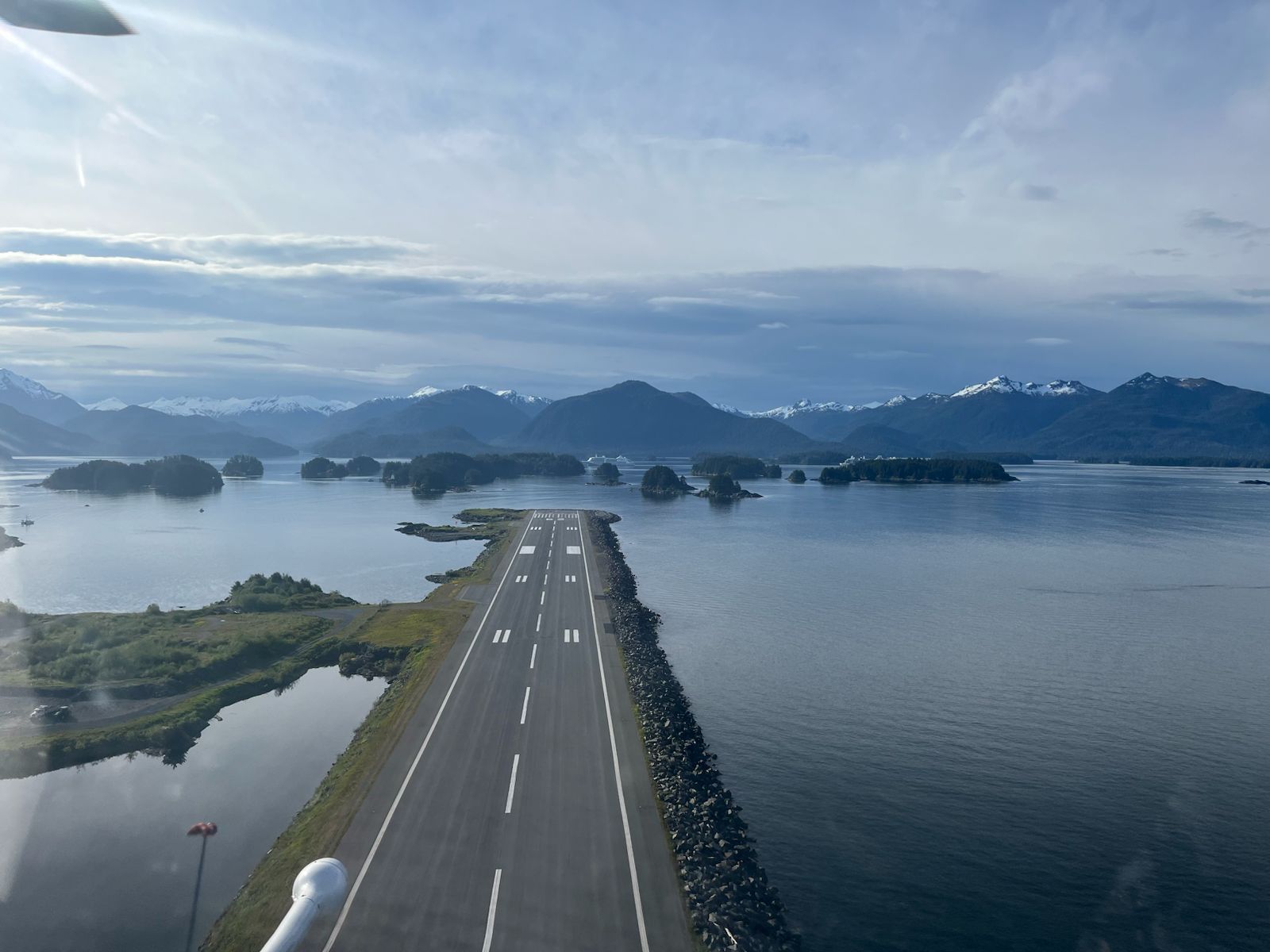
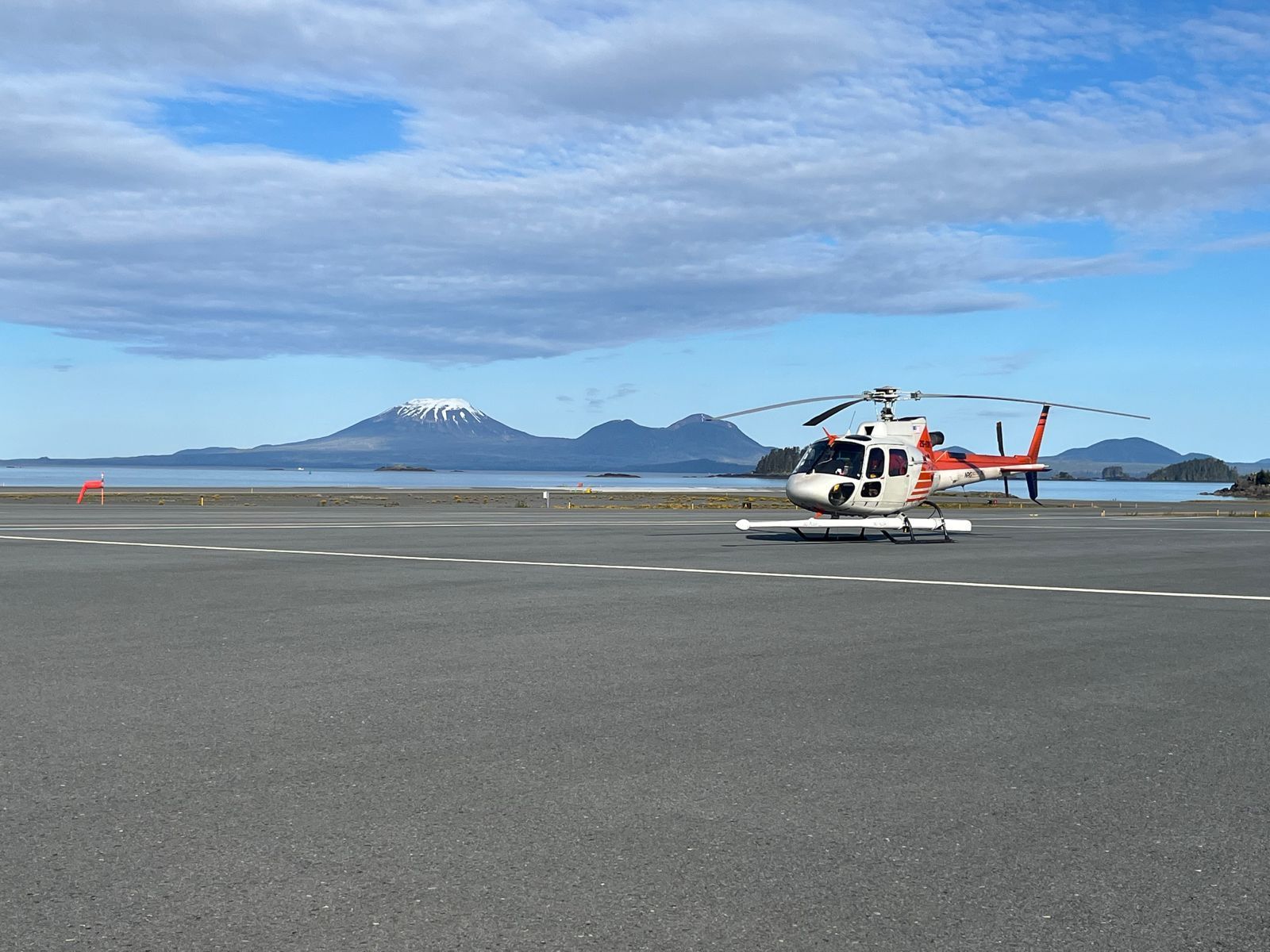
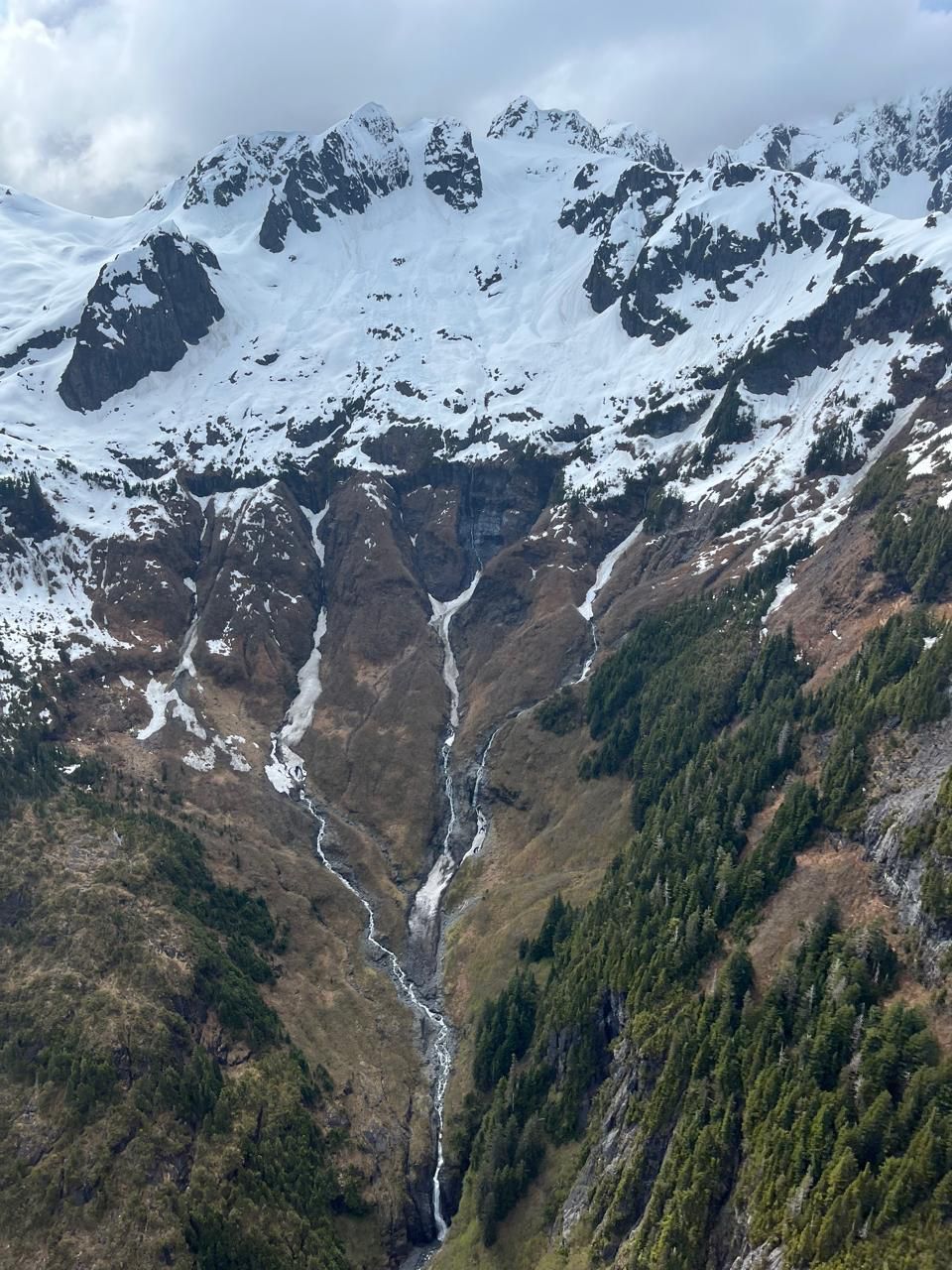
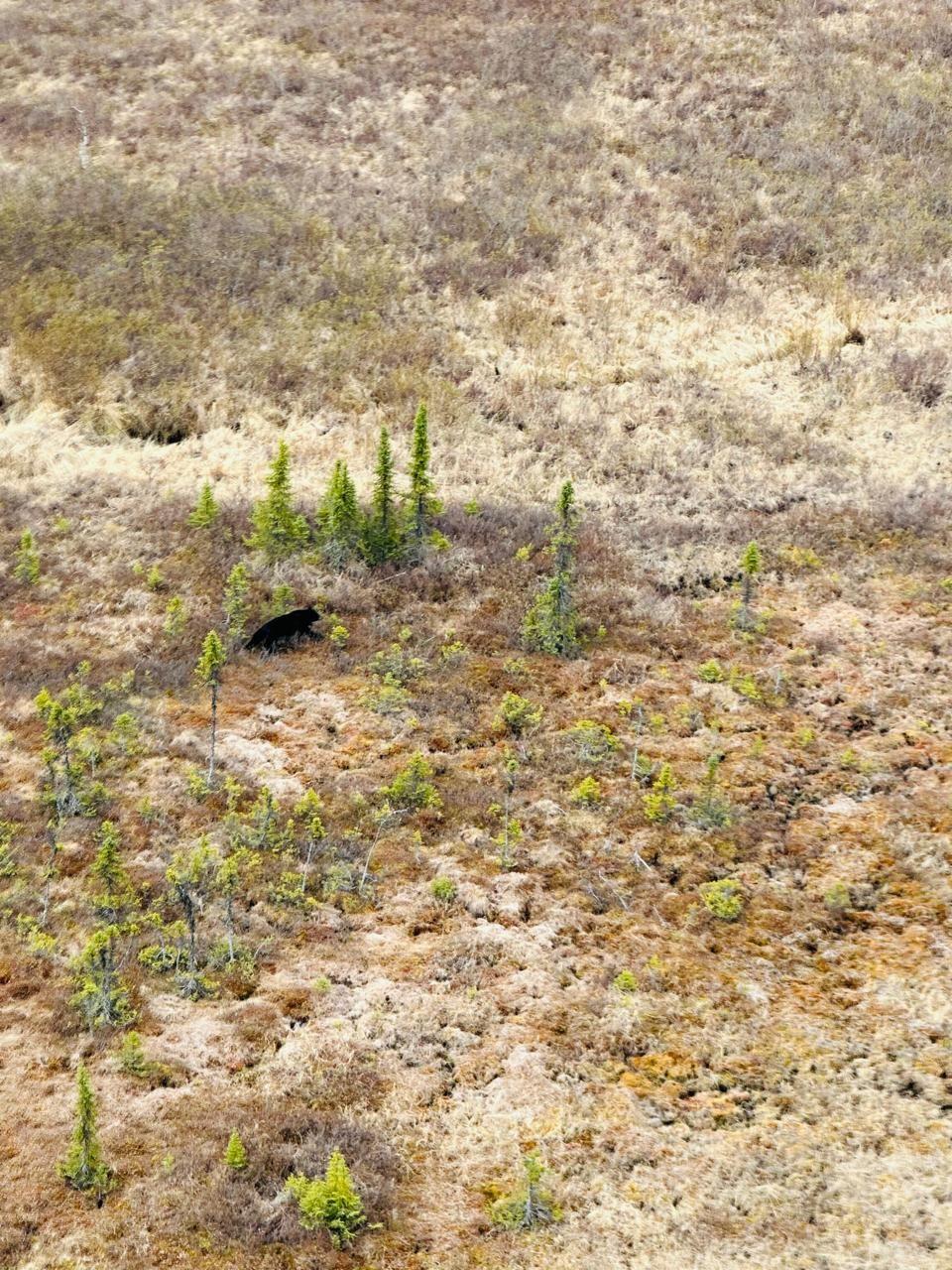
Ferry went well, no issues. Thanks for that video MLHeliWrench it was very helpful. We stayed over in Port Angeles, Sitka and Anchorage. The one issue we had was we tried to call Canadian FSS in Victoria and Bella Bella but with our American T-mobile not working tried South African number with roaming. The FSS number gave us an automated message about not being able to receive calls from this region. Same thing when we tried the Sat phone. After borrowing a phone from a kind Canadian we got hold of a very helpful FSS controller who gave us a direct number to get hold of him that worked from the sat phone and had no more issues.
We did bring a shotgun, just had to declare it to CAN PASS before leaving. They wanted us to have a Non Resident Firearms declaration form filled out, a trigger lock, assurance that it would not leave the helicopter and a letter from the gun owner since he wasn't flying with us. We declared it to the customs agent when landing in Sitka and he had no issues. I'll post some photos after this. Thanks again for all the help and advice, it's much appreciated.
We did bring a shotgun, just had to declare it to CAN PASS before leaving. They wanted us to have a Non Resident Firearms declaration form filled out, a trigger lock, assurance that it would not leave the helicopter and a letter from the gun owner since he wasn't flying with us. We declared it to the customs agent when landing in Sitka and he had no issues. I'll post some photos after this. Thanks again for all the help and advice, it's much appreciated.