


UK unveils new next generation fighter jet, the 'Tempest'


Ecce Homo! Loquitur...

Joined: Jul 2000
Aviation Qualifications: Spotter
Posts: 24,510
Likes: 7,255
From: Peripatetic
Internal capacity alone?
Estimated combat radius is around 1350nm, well in excess of that of the F-111 with earlier generation of engines.
https://www.aerosociety.com/news/gca...ional-fighter/
https://www.twz.com/air/tempest-futu...20manufacturer.


Joined: Apr 2001
Aviation Qualifications: ATP+Mil
Posts: 4,914
Likes: 608
From: surfing, watching for sharks
I can't help but be pessimistic on achieving that goal given those dimensions while still on track to meet other criteria associated with fifth gen + aircraft.
It's a paper airplane so the designers can shoot for the moon.
It's a paper airplane so the designers can shoot for the moon.
Ecce Homo! Loquitur...
Joined: Jul 2000
Aviation Qualifications: Spotter
Posts: 24,510
Likes: 7,255
From: Peripatetic
It’s designed as a long range interceptor - a replacement for the role the Tornado F3 was designed for, rather than the Typhoon - and stand-off bomber, not a dogfighter.
If you think stealthy F-111 it probably as close as an approximation as you will get. There’s some truth in Sweetman ironically referring to it as “Vulcan II” rather than Tempest.
And with the stealth, sensors and processing power intended as a hub for CCA it is 6th generation - not 5th.
If you think stealthy F-111 it probably as close as an approximation as you will get. There’s some truth in Sweetman ironically referring to it as “Vulcan II” rather than Tempest.
And with the stealth, sensors and processing power intended as a hub for CCA it is 6th generation - not 5th.
Joined: Apr 2001
Aviation Qualifications: ATP+Mil
Posts: 4,914
Likes: 608
From: surfing, watching for sharks
It’s designed as a long range interceptor - a replacement for the role the Tornado F3 was designed for, rather than the Typhoon - and stand-off bomber, not a dogfighter.
If you think stealthy F-111 it probably as close as an approximation as you will get. There’s some truth in Sweetman ironically referring to it as “Vulcan II” rather than Tempest.
And with the stealth, sensors and processing power intended as a hub for CCA it is 6th generation - not 5th.
If you think stealthy F-111 it probably as close as an approximation as you will get. There’s some truth in Sweetman ironically referring to it as “Vulcan II” rather than Tempest.
And with the stealth, sensors and processing power intended as a hub for CCA it is 6th generation - not 5th.

Joined: Oct 2013
Posts: 804
Likes: 96
From: UK
It'll hinge entirely on the engine tech - the next gen combined cycle engines are promising a lot.

Joined: May 2009
Posts: 1,909
Likes: 129
From: Here
Ecce Homo! Loquitur...
Joined: Jul 2000
Aviation Qualifications: Spotter
Posts: 24,510
Likes: 7,255
From: Peripatetic
India opinion regarding Tempest…..
https://defence.in/threads/how-gcap-...borders.13952/
How GCAP Fighter's Potential Transatlantic Range Could Offer IAF Strategic Reach and Persistence Capabilities along China-Pak Borders
https://defence.in/threads/how-gcap-...borders.13952/
How GCAP Fighter's Potential Transatlantic Range Could Offer IAF Strategic Reach and Persistence Capabilities along China-Pak Borders

Ecce Homo! Loquitur...
Joined: Jul 2000
Aviation Qualifications: Spotter
Posts: 24,510
Likes: 7,255
From: Peripatetic
............
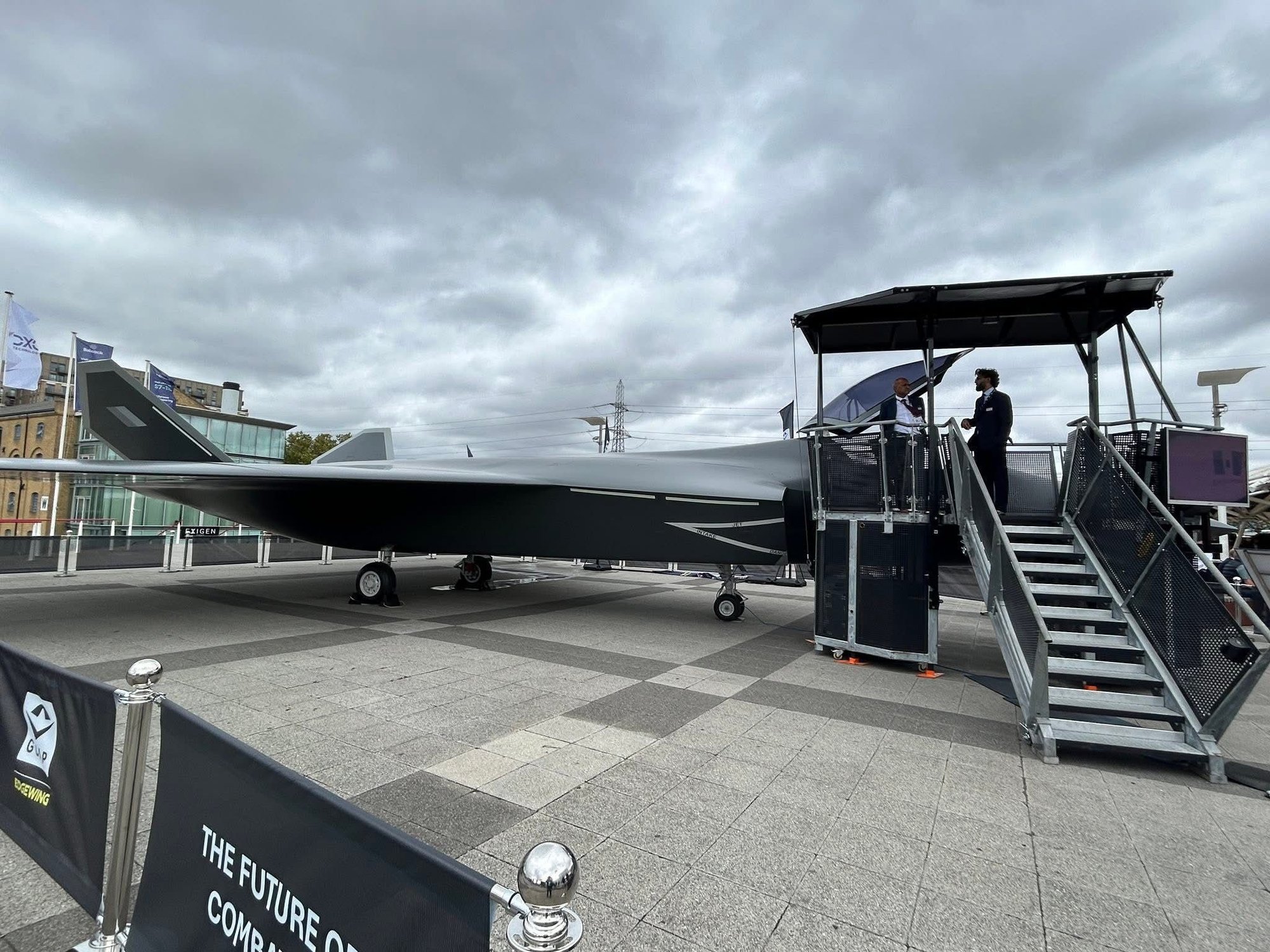
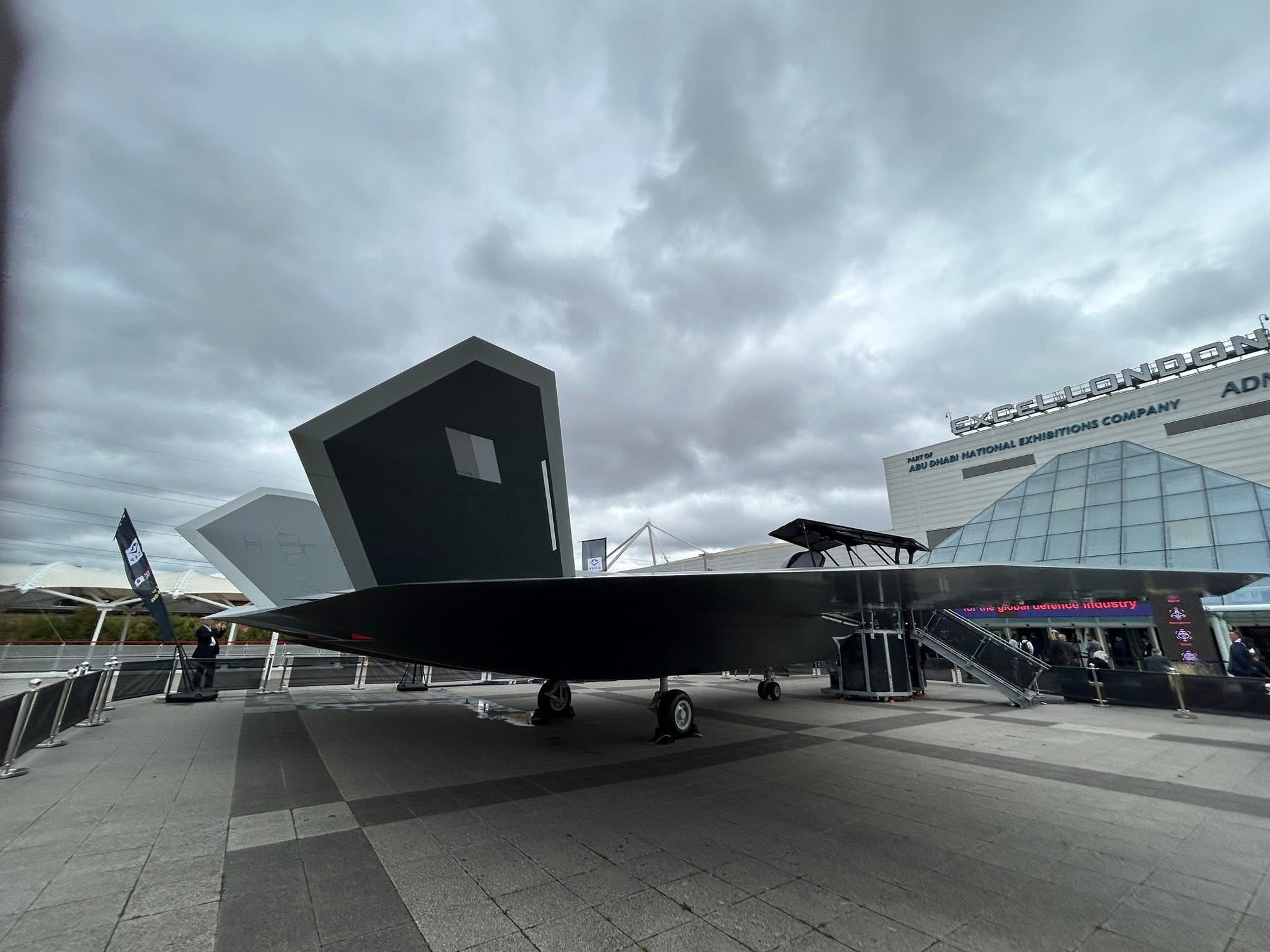
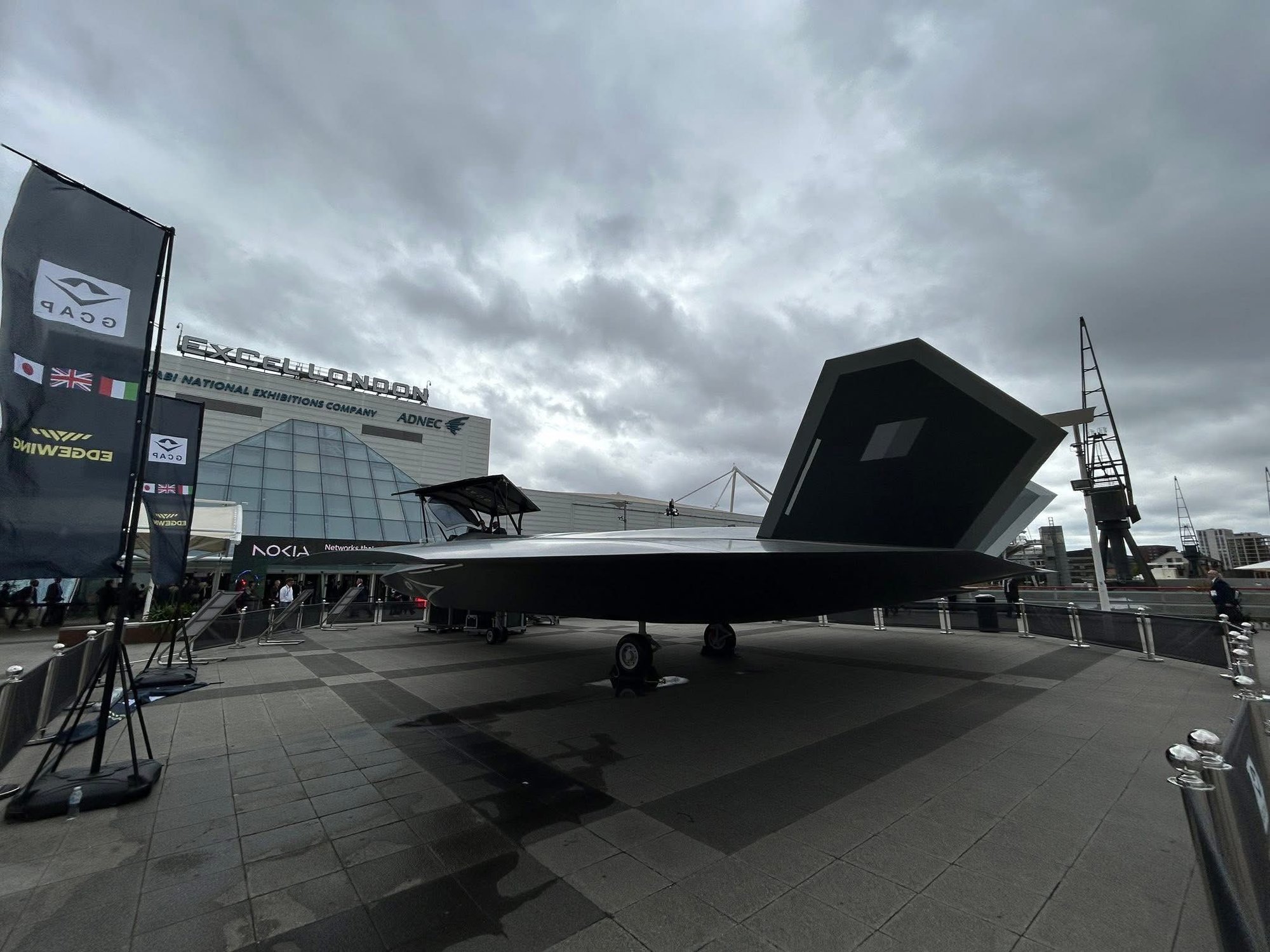
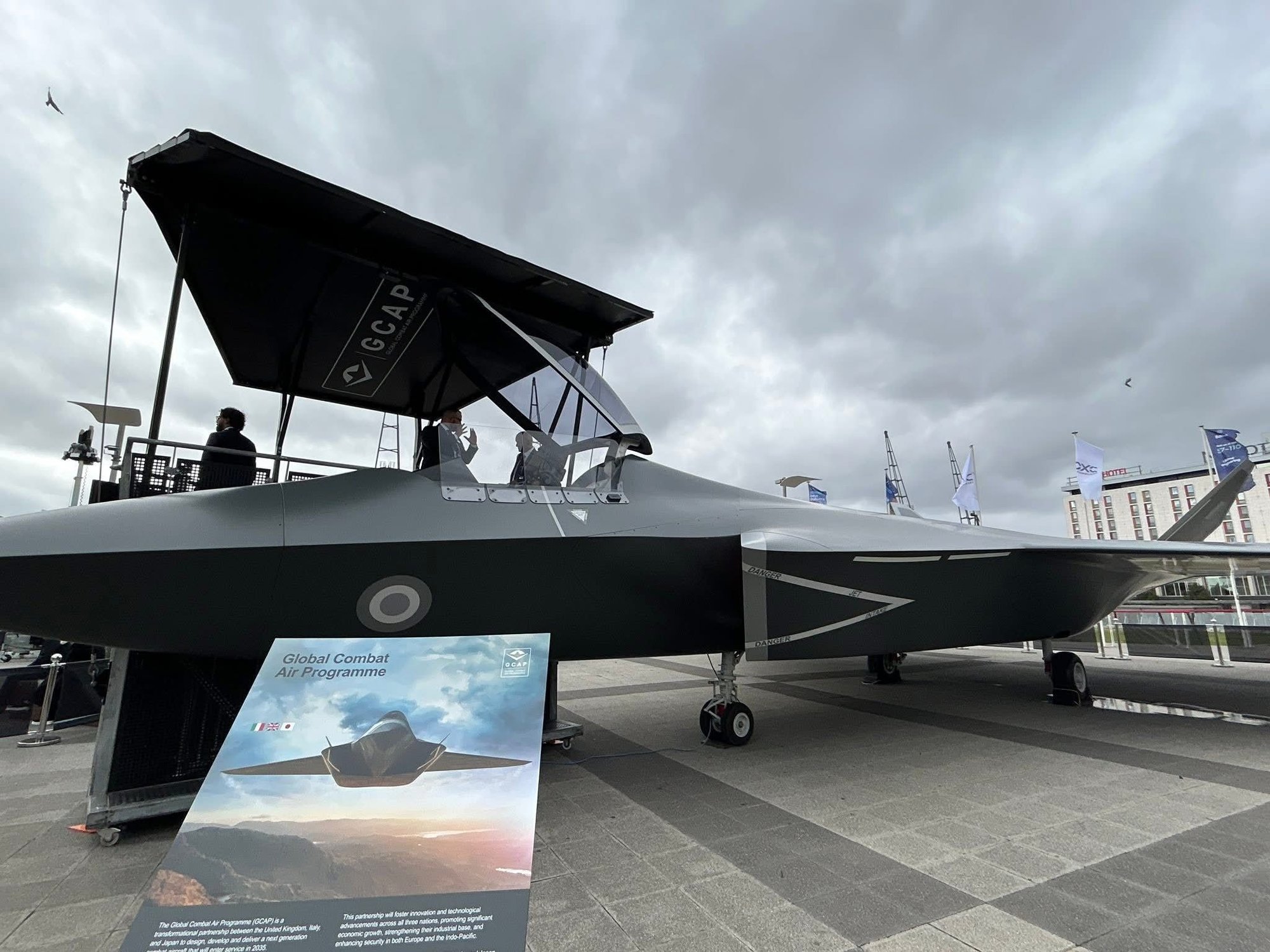
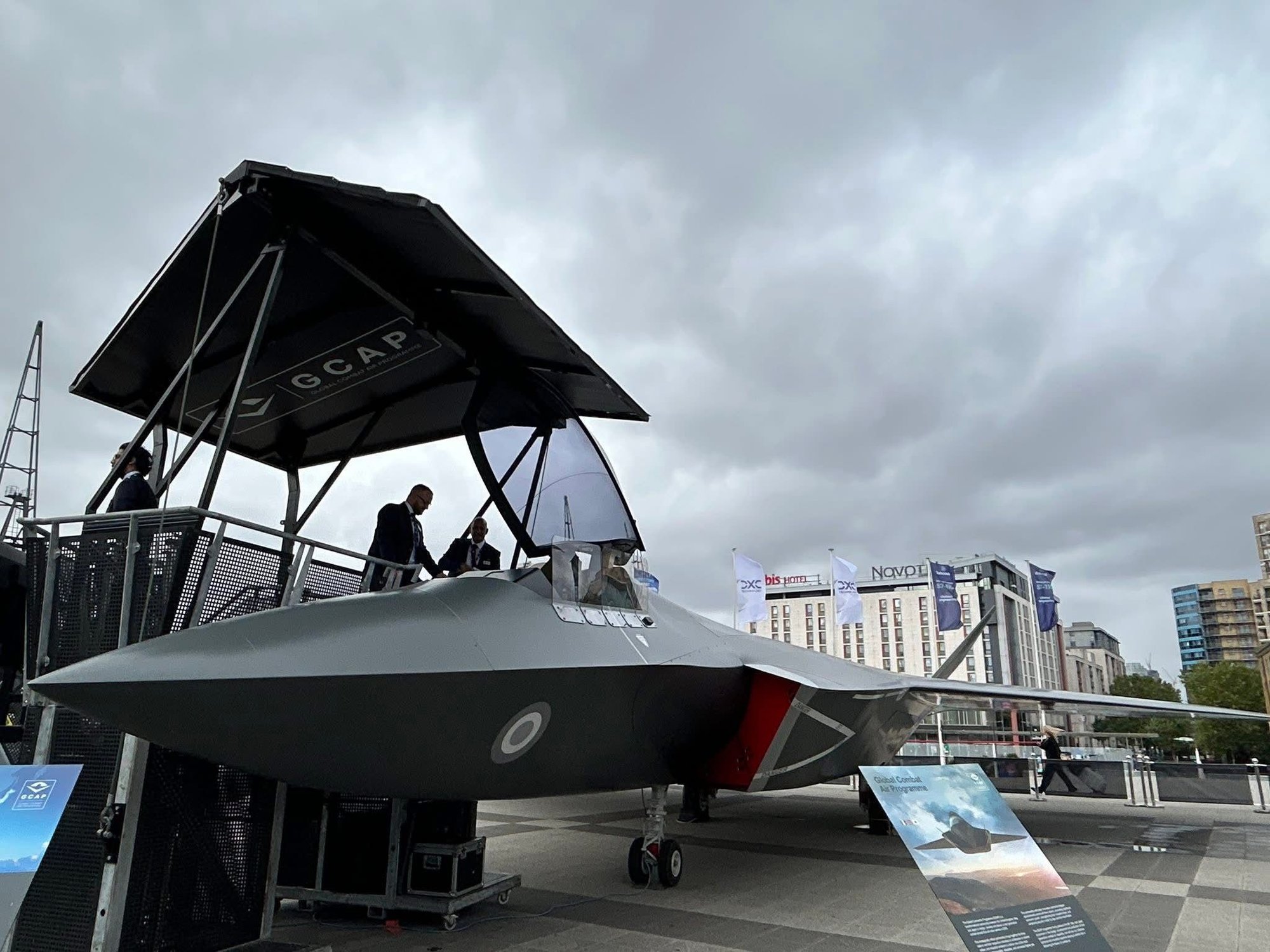
It emerged at #DSEI2025 today that alongside the UK's Excalibur Flying Test Aircraft (pic), GCAP partners Italy and Japan will develop their own FTAs to function alongside.
Italy now looking at a Gulfstream Aero, while Japan steering towards a 'transport-sized' aircraft solution.

Italy now looking at a Gulfstream Aero, while Japan steering towards a 'transport-sized' aircraft solution.
Last edited by ORAC; 10th September 2025 at 08:21.


Ecce Homo! Loquitur...
Joined: Jul 2000
Aviation Qualifications: Spotter
Posts: 24,510
Likes: 7,255
From: Peripatetic
https://www.rolls-royce.com/media/pr...ent=gcap_pps25
GCAP Consortium Expands Partnership Toward First Flight
London, UK – 9 September 2025 – The international consortium comprised of Rolls-Royce (UK), Avio Aero (Italy) and IHI (Japan) today announced a major expansion of their partnership to accelerate development of the power and propulsion system for the next-generation fighter aircraft being developed through the Global Combat Air Programme (GCAP).
This step represents the transition from national contracting to fully integrated international collaboration, laying the foundation for the detailed design and development of GCAP’s all-new fighter engine. This development builds on the successful progress of the all-new centreline GCAP engine demonstrator. The three companies signed an evolved collaboration agreement that allows them to engage directly with Edgewing – the newly formed joint venture between BAE Systems, Leonardo and JAIEC of Japan.
As a consortium, Rolls-Royce, Avio Aero and IHI are transforming how they work to enable continued innovation and advance combat air propulsion technology to meet the timeline for GCAP’s first flight.
The partners are delivering progress on the engine demonstrator, advancing technologies in additive manufacturing, cooling systems and high-pressure compressor design, and more. The engineering teams of the three consortium partners have already conducted several trilateral reviews to approve the engine demonstrator design, following the completion of joint design iterations and have initiated the hardware procurement.
Among the recent milestones was a successful test of a revolutionary combustor developed with enhanced Additive Layer Manufacturing techniques to create unique geometric cooling pathways. The next-generation advanced cooling and material technologies enable higher operating temperatures for the turbine while allowing components to run cooler for extended range to enhance durability and sustainability across the engine’s service life.
Together, the three companies form the propulsion consortium at the heart of GCAP, driving innovation and industrial collaboration across three nations to deliver the fighter engine of the future.
The partners collectively bring a wealth of global experience to enable continued innovation and advance combat air propulsion technology.
GCAP Consortium Expands Partnership Toward First Flight
London, UK – 9 September 2025 – The international consortium comprised of Rolls-Royce (UK), Avio Aero (Italy) and IHI (Japan) today announced a major expansion of their partnership to accelerate development of the power and propulsion system for the next-generation fighter aircraft being developed through the Global Combat Air Programme (GCAP).
This step represents the transition from national contracting to fully integrated international collaboration, laying the foundation for the detailed design and development of GCAP’s all-new fighter engine. This development builds on the successful progress of the all-new centreline GCAP engine demonstrator. The three companies signed an evolved collaboration agreement that allows them to engage directly with Edgewing – the newly formed joint venture between BAE Systems, Leonardo and JAIEC of Japan.
As a consortium, Rolls-Royce, Avio Aero and IHI are transforming how they work to enable continued innovation and advance combat air propulsion technology to meet the timeline for GCAP’s first flight.
The partners are delivering progress on the engine demonstrator, advancing technologies in additive manufacturing, cooling systems and high-pressure compressor design, and more. The engineering teams of the three consortium partners have already conducted several trilateral reviews to approve the engine demonstrator design, following the completion of joint design iterations and have initiated the hardware procurement.
Among the recent milestones was a successful test of a revolutionary combustor developed with enhanced Additive Layer Manufacturing techniques to create unique geometric cooling pathways. The next-generation advanced cooling and material technologies enable higher operating temperatures for the turbine while allowing components to run cooler for extended range to enhance durability and sustainability across the engine’s service life.
Together, the three companies form the propulsion consortium at the heart of GCAP, driving innovation and industrial collaboration across three nations to deliver the fighter engine of the future.
The partners collectively bring a wealth of global experience to enable continued innovation and advance combat air propulsion technology.
Ecce Homo! Loquitur...
Joined: Jul 2000
Aviation Qualifications: Spotter
Posts: 24,510
Likes: 7,255
From: Peripatetic
https://www.defensenews.com/global/e...ampaign=tw_dfn
Vendors team up on sensors, comms systems for GCAP next-gen fighter
ROME — British, Italian and Japanese firms set to build sensors and communications systems for the GCAP fighter have formed a UK-based consortium ready to sign a design and development contract with the platform’s lead integrators.
Known as GCAP Electronics Evolution (G2E), the consortium groups Leonardo and ELT Group from Italy, Leonardo UK and Mitsubishi Electric representing Japan, the firms said at the DSEI show in London.
Led by Leonardo UK manager Andrew Howard, G2E will be based in Reading near London, close to the office of GIGO, the Italy-UK-Japan government office running GCAP, and Edgewing, the tri-nation industrial joint venture set up by integrators BAE Systems (UK), Leonardo (Italy) and Japan Aircraft Industrial Enhancement Co. Ltd. (Japan).
“We can’t be an arms length supplier, we need to be deeply embedded on the program and this is the next piece of the jigsaw on GCAP after GIGO and Edgewing,” said Howard, who is currently Director Future Combat Air UK, Leonardo UK FCAS.
The consortium marks the next step in the team-up between the firms after they signed a collaboration deal at DSEI Japan in 2023.
“It’s the next chapter. We have been proving our technology on the UK Tempest fighter program since 2018, then working with our international partners and now the requirement has given us enough to set up work sharing and play to our strengths,” said Howard.
“The governments are satisfied their national champions have the skill sets,” he added.
In a statement released on Sept. 9, the firms said, “The four companies will work together to deliver the next-generation combat aircraft’s advanced sensing and communication system, known as Integrated Sensing and Non-Kinetic Effects & Integrated Communications Systems (ISANKE & ICS), as well as the system’s decades-long Through-Life Support Service (TLSS).”
It added, “The integration and exploitation of the vast amount of information that will be available in the future operational environment will be one of the key differences that will set the GCAP core platform apart from previous generations of combat aircraft.”
Vendors team up on sensors, comms systems for GCAP next-gen fighter
ROME — British, Italian and Japanese firms set to build sensors and communications systems for the GCAP fighter have formed a UK-based consortium ready to sign a design and development contract with the platform’s lead integrators.
Known as GCAP Electronics Evolution (G2E), the consortium groups Leonardo and ELT Group from Italy, Leonardo UK and Mitsubishi Electric representing Japan, the firms said at the DSEI show in London.
Led by Leonardo UK manager Andrew Howard, G2E will be based in Reading near London, close to the office of GIGO, the Italy-UK-Japan government office running GCAP, and Edgewing, the tri-nation industrial joint venture set up by integrators BAE Systems (UK), Leonardo (Italy) and Japan Aircraft Industrial Enhancement Co. Ltd. (Japan).
“We can’t be an arms length supplier, we need to be deeply embedded on the program and this is the next piece of the jigsaw on GCAP after GIGO and Edgewing,” said Howard, who is currently Director Future Combat Air UK, Leonardo UK FCAS.
The consortium marks the next step in the team-up between the firms after they signed a collaboration deal at DSEI Japan in 2023.
“It’s the next chapter. We have been proving our technology on the UK Tempest fighter program since 2018, then working with our international partners and now the requirement has given us enough to set up work sharing and play to our strengths,” said Howard.
“The governments are satisfied their national champions have the skill sets,” he added.
In a statement released on Sept. 9, the firms said, “The four companies will work together to deliver the next-generation combat aircraft’s advanced sensing and communication system, known as Integrated Sensing and Non-Kinetic Effects & Integrated Communications Systems (ISANKE & ICS), as well as the system’s decades-long Through-Life Support Service (TLSS).”
It added, “The integration and exploitation of the vast amount of information that will be available in the future operational environment will be one of the key differences that will set the GCAP core platform apart from previous generations of combat aircraft.”
Ecce Homo! Loquitur...
Joined: Jul 2000
Aviation Qualifications: Spotter
Posts: 24,510
Likes: 7,255
From: Peripatetic
So, sounds like open architecture software to allow rapid incorporation of new weapons. Large Internal weapons bay makes physically incorporating new weapons easier, but weapons separation/CoG etc issues means perhaps a stable rather relaxed stability platform affecting manoeuvrability?
Regarding CCA, I believe there is a push for NATO STANAG datalink language/command compatibility standards to facilitate pooled use of types.
https://www.defensenews.com/global/e...-options-open/
GCAP fighter jet designers push to keep weapons, drone options open
ROME — The new sixth-generation GCAP fighter should be able to carry a wide variety of armaments and work with any number of different “Loyal Wingman” drones, a leading official on the UK-Japanese-Italy program has said.
British defense ministry official Group Captain Bill Sanders said the under-development platform needed to have a weapons bay ready to accept any armament used by the partners, by NATO and by the United States.
“Think about the lessons learned in Ukraine. As you go into a conflict you rapidly exhaust your stocks and you start to put pressure on the supply chain. What you want in that situation is the maximum ability to be able to dig into the other stockpiles and supply chains that are available,” he told Defense News on the sidelines of the International Fighter conference in Rome.
“Having a platform that can carry any NATO weapon, any U.S. weapon, any of the three nations’ weapons immediately gives the commanders in the theater flexibility,” added Sanders, who leads the UK’s Future Combat Air System (FCAS) Requirements and Concepting team which includes the GCAP program.
Sanders said another reason for weapons bay flexibility was the need to start carrying high-cost armaments at the start of a conflict to overcome enemy defenses - before needing to scale down to “dumb,” unguided bombs as those defenses became weaker.
“If we keep on using the most expensive weapons (throughout the conflict) the cost per kill, the cost per engagement is not sustainable. What we want to be able to do is start to pull apart the threads of the defensive system we are going against. We want to be in a situation where we can start to drop down the cost point of the weapons we are using,” he said.
With a flexible weapons bay, Sanders said “I can get the right weapon for the cost-per-kill ratio.”
Just as the GCAP needs to be able to use all weapons, it must be able to work with all drones known as Collaborative Combat Aircraft (CCA), Sanders said.
“You have to be in a situation where, just like the weapons, the GCAP can work with what it finds. It’s no mean feat,” he said.
Analyst Douglas Barrie said building a fighter able to work with different CCAs was logical.
“I would expect the UK, Japan and Italy all have CCAs they ‘own’ which are sovereign capabilities they will use with GCAP. Whether they eventually coalesce around a shared platform is an interesting question but at the moment they seem to be going independently because it gives you more choice, more flexibility,” said Barrie, a senior fellow for military aerospace at the IISS think tank.
Regarding CCA, I believe there is a push for NATO STANAG datalink language/command compatibility standards to facilitate pooled use of types.
https://www.defensenews.com/global/e...-options-open/
GCAP fighter jet designers push to keep weapons, drone options open
ROME — The new sixth-generation GCAP fighter should be able to carry a wide variety of armaments and work with any number of different “Loyal Wingman” drones, a leading official on the UK-Japanese-Italy program has said.
British defense ministry official Group Captain Bill Sanders said the under-development platform needed to have a weapons bay ready to accept any armament used by the partners, by NATO and by the United States.
“Think about the lessons learned in Ukraine. As you go into a conflict you rapidly exhaust your stocks and you start to put pressure on the supply chain. What you want in that situation is the maximum ability to be able to dig into the other stockpiles and supply chains that are available,” he told Defense News on the sidelines of the International Fighter conference in Rome.
“Having a platform that can carry any NATO weapon, any U.S. weapon, any of the three nations’ weapons immediately gives the commanders in the theater flexibility,” added Sanders, who leads the UK’s Future Combat Air System (FCAS) Requirements and Concepting team which includes the GCAP program.
Sanders said another reason for weapons bay flexibility was the need to start carrying high-cost armaments at the start of a conflict to overcome enemy defenses - before needing to scale down to “dumb,” unguided bombs as those defenses became weaker.
“If we keep on using the most expensive weapons (throughout the conflict) the cost per kill, the cost per engagement is not sustainable. What we want to be able to do is start to pull apart the threads of the defensive system we are going against. We want to be in a situation where we can start to drop down the cost point of the weapons we are using,” he said.
With a flexible weapons bay, Sanders said “I can get the right weapon for the cost-per-kill ratio.”
Just as the GCAP needs to be able to use all weapons, it must be able to work with all drones known as Collaborative Combat Aircraft (CCA), Sanders said.
“You have to be in a situation where, just like the weapons, the GCAP can work with what it finds. It’s no mean feat,” he said.
Analyst Douglas Barrie said building a fighter able to work with different CCAs was logical.
“I would expect the UK, Japan and Italy all have CCAs they ‘own’ which are sovereign capabilities they will use with GCAP. Whether they eventually coalesce around a shared platform is an interesting question but at the moment they seem to be going independently because it gives you more choice, more flexibility,” said Barrie, a senior fellow for military aerospace at the IISS think tank.
Ecce Homo! Loquitur...
Joined: Jul 2000
Aviation Qualifications: Spotter
Posts: 24,510
Likes: 7,255
From: Peripatetic
Now I wonder which nations that’s aimed at…..
https://www.defensenews.com/global/e...-is-overblown/
French air force official says FCAS industry kerfuffle is overblown
https://www.defensenews.com/global/e...-is-overblown/
French air force official says FCAS industry kerfuffle is overblown
….As the continental FCAS program stalls, the parallel sixth generation GCAP fighter being developed by Italy, the UK and Japan appears to be making progress after the establishment of three industrial consortia to handle the work this autumn….
Addressing the Rome International Fighter conference, one Italian military official provided insight on how Rome views GCAP as a chance to balance building sovereign technologies as well as sharing them with its U.K. and Japanese partners.
Col. Antonio Vivolo, the GCAP senior technical representative at the Italian defense ministry armaments office said that if nations were to keep abreast of fast changing, crucial technologies they needed a degree of national autonomy, even in partnerships like GCAP.
“The goal is not only to obtain a new fighter, the goal is to obtain and keep technological and industrial sovereignty so that when scenarios, threats and partners changes we can reconfigure our capability without renegotiating our freedom of action with a third party,” he said in his speech, which he cleared for publication.
“Without this depth of sovereignty, sixth-generation would remain a beautiful concept governed by someone else, and this was not an option,” he said.….
Addressing the Rome International Fighter conference, one Italian military official provided insight on how Rome views GCAP as a chance to balance building sovereign technologies as well as sharing them with its U.K. and Japanese partners.
Col. Antonio Vivolo, the GCAP senior technical representative at the Italian defense ministry armaments office said that if nations were to keep abreast of fast changing, crucial technologies they needed a degree of national autonomy, even in partnerships like GCAP.
“The goal is not only to obtain a new fighter, the goal is to obtain and keep technological and industrial sovereignty so that when scenarios, threats and partners changes we can reconfigure our capability without renegotiating our freedom of action with a third party,” he said in his speech, which he cleared for publication.
“Without this depth of sovereignty, sixth-generation would remain a beautiful concept governed by someone else, and this was not an option,” he said.….

Joined: Nov 2009
Posts: 668
Likes: 127
From: London
Ideally the computers should be taking so much load off the pilot that they will in almost every sense be autonomous, allowing the pilot to manage and focus on one thing while others are "being handled." When you think of what a basic drone can do now, the extra compute power that could be shoved into a much larger aircraft should be absolutely astonishing compared to what's flying today - even the F35 is ancient by modern standards. I doubt that such software will be trusted in costly aircraft so they will have to be man-managed for a decade or two.
At this point I should say I know nothing except for pointing out what is obvious to computing professionals and speculating on it.
To be sensible, the architecture is going to need a lot of flexibility built into it. We live in an age where you cannot afford stick with your old computer for years. AI is running on graphics cards now but like crypto there will probably end up being more and more custom chips with ever more astonishing abilities that will not need to be in a datacentre or be powered by nuclear reactors to appear to "think". They might actually be able to learn "on the hoof" and I think that will be extremely compelling.
The other temptation will be to offload everything - make the aircraft mediocre in the intelligence stakes and trust to being able to shunt information for processing elsewhere and receive instructions back. In reality I suspect that both will be wanted. We'll end up with a distributed/dispersed "battle ai" running everything AND autonomous aircraft.
At this point I should say I know nothing except for pointing out what is obvious to computing professionals and speculating on it.
To be sensible, the architecture is going to need a lot of flexibility built into it. We live in an age where you cannot afford stick with your old computer for years. AI is running on graphics cards now but like crypto there will probably end up being more and more custom chips with ever more astonishing abilities that will not need to be in a datacentre or be powered by nuclear reactors to appear to "think". They might actually be able to learn "on the hoof" and I think that will be extremely compelling.
The other temptation will be to offload everything - make the aircraft mediocre in the intelligence stakes and trust to being able to shunt information for processing elsewhere and receive instructions back. In reality I suspect that both will be wanted. We'll end up with a distributed/dispersed "battle ai" running everything AND autonomous aircraft.