Interview with Bell Textron: Investing in the future in Ukraine

by
Yuri Svitlyk
02/06/2026 in
ArticlesWe conducted an exclusive interview with
Philip Anthony Fickes, Director of Bell Textron Ukraine, to discuss prospects for cooperation with Ukraine, potential production localization, the training of Ukrainian specialists, and the future of partnership between Bell Textron and Ukraine’s aviation industry.
The American company Bell Textron has taken a step that would have seemed unlikely just a few years ago:
establishing a legal entity in Ukraine and openly discussing the possibility of industrial cooperation with the country’s aviation sector. Against the backdrop of the full-scale war, this decision appears not only as a business initiative, but also as a strategic investment in Ukraine’s future role within the European security architecture.
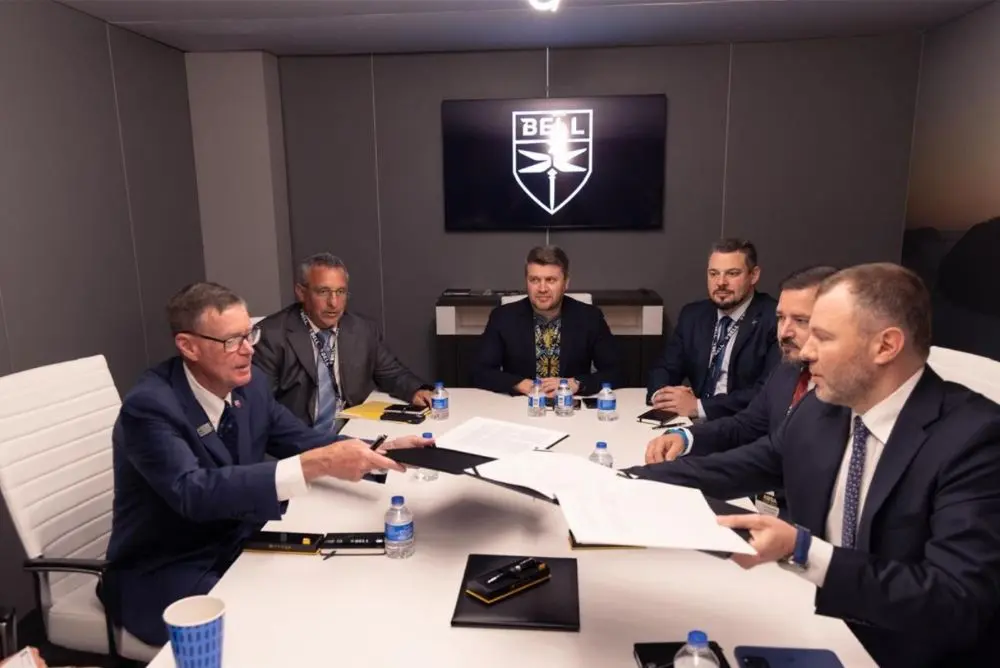
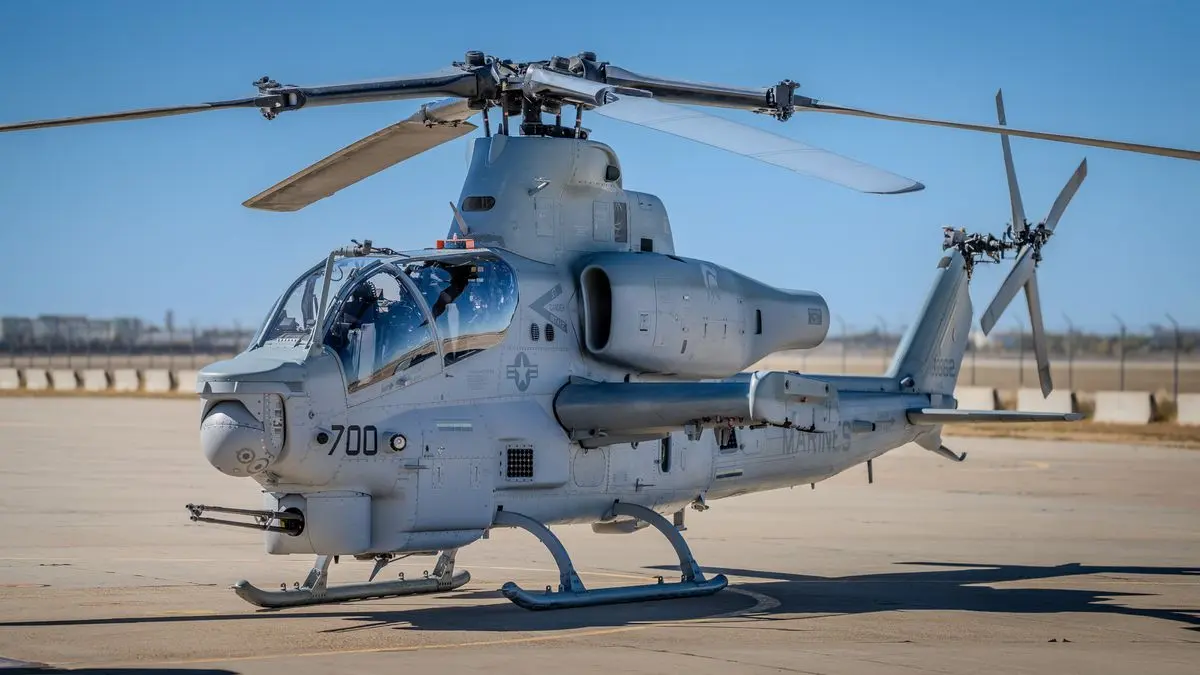
Signing ceremony for the memorandum of understanding with Bell Textron. Source: me.gov.uaWe had the opportunity to speak with Philip Anthony Fickes, Director of Bell Textron Ukraine, about the company’s philosophy, the potential localization of H-1 helicopter production, cooperation with Ukrainian enterprises, technology transfer, and the prospects of Ukraine acquiring the AH-1Z Viper attack helicopter and the UH-1Y Venom utility helicopter.
Aeronaut: Bell Textron has a history of innovation spanning more than a century – from the first helicopters to modern tiltrotors. What is at the core of its philosophy today: engineering excellence, the pace of innovation, or the ability to adapt to new types of conflicts?
Bell Textron: Beginning with the X-1 aircraft that broke the sound barrier to the latest X-76 aircraft expanding vertical possibilities, excellence has been at the heart of Bell Textron for the past ninety years. We always strive for the most reliable and mission-capable products, the best safety, superior training and optimised maintenance. We believe that you must aspire to excellence in all aspects to be market leading, and that also includes innovation. We’re constantly innovating and evolving to fit market needs and to push boundaries – that’s why Bell is an ideal fit for so many different scenarios.
Логотип компанії Bell Textron
AN: How is the company adapting its engineering culture to the realities of modern warfare, where drones, digital systems, and rapid decision-making play a key role?
BT:
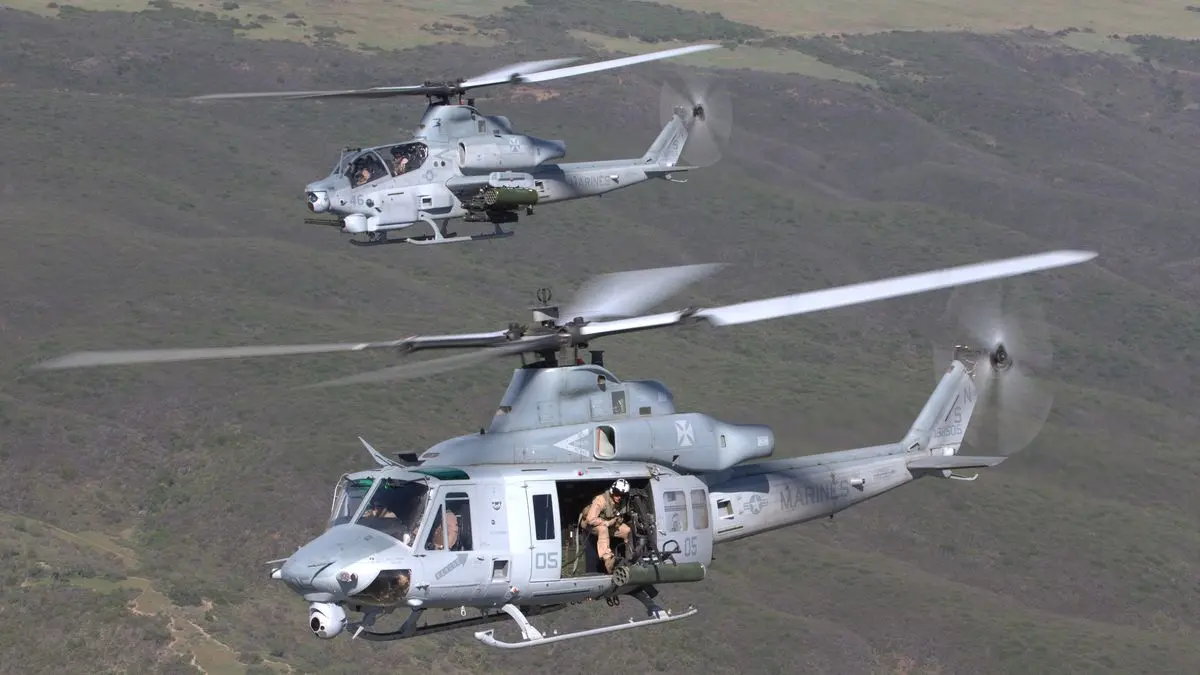
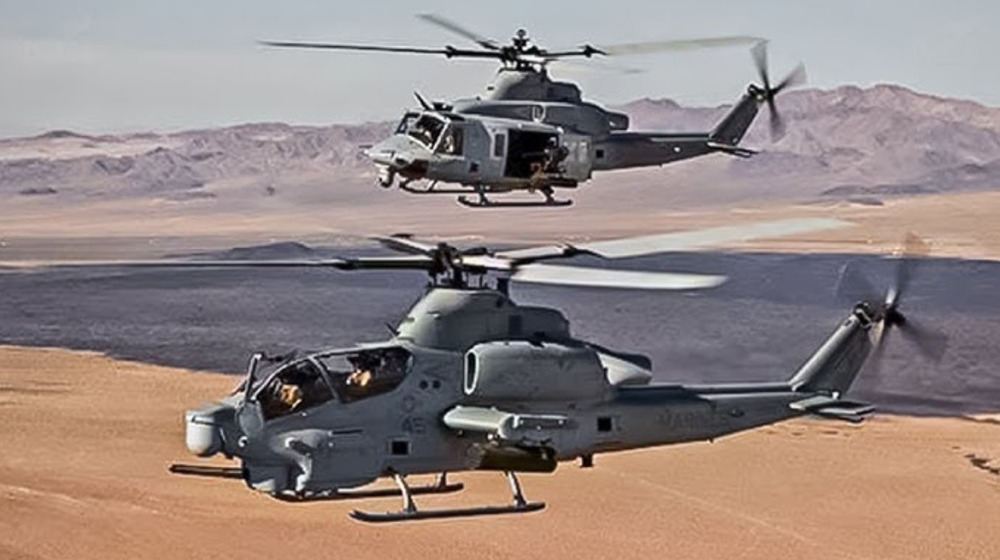
The engineering culture remains the same as it has always been – adaptable, customer focused and mission centric. Modern warfare has changed some aspects of the way in which our platforms are used, and the missions they’re deployed in, but overall, we know we have the strongest duo platform in the AH-1Z Viper and UH-1Y Venom, and they’re proving to be more than a match for the new challenges of modern warzones. In fact, because of their greater firepower and 85%-part commonality – plus the ability to work in tandem so effectively – they’re becoming more vital as conflict zones are shifting.
 AN
AN: What principles guide Bell Textron’s selection of partners: technological capability, political reliability, or long-term synergy?
BT: Technological capability is vital of course, we strive to be the most innovative provider, but long-term synergy is crucial in choosing our partners. We offer the same support network, training programme and aftercare to every partner we work with.
AN: How has the company’s philosophy influenced the decision to enter Ukraine right now – amid a full-scale war? Is this a strategic risk, or a deliberate investment in Europe’s future defence cluster?
BT: Bell’s platforms are sold through the US Government’s Foreign Military Sales process and Direct Commercial Sales to the Government of Ukraine. Ukraine has expressed interest for Bell products to both it and the USG, and the LOI (letter of intent) signed with Ukraine is an exploration, identification and evaluation of areas for potential deep cooperation. Our recent entity announcement in Ukraine is a deliberate step in a long-term approach toward establishing possible industrial cooperation in country. The collaboration between Bell and Ukraine has a bright future, and we’re excited to see the partnership develop.
AN: How is Bell Textron integrating Ukraine into its global strategy: is Ukraine viewed as part of a new security and technological development framework, rather than merely as a market or manufacturing base?
BT: Bell Textron is evaluating Ukraine as a potential partner for H-1 production. Looking beyond the conflict, the country could be a key assembly point for H-1 aircraft, including maintenance and repair in Europe. Ukraine isn’t just a potential new market, it could be an initiative to further elevate Bell Textron globally, and this partnership will hopefully provide the foundation of an innovative, long-term collaboration between the two parties.
 AN:
AN: What were the main reasons that prompted Bell Textron to sign a memorandum of understanding at this time and begin preparations to establish manufacturing facilities in Ukraine?
BT: The timing of the LOI came about through interest from Ukraine. Ultimately, we respond to the requests to discuss procurement of our products, but we could see this was an opportunity that would be mutually beneficial for both parties with scope beyond a straightforward transaction. We are currently in the process of exploring what that future might look like. There’s a long way to go, but things are moving in the right direction.
AN: A memorandum of understanding is a non-binding framework document. What specific criteria and timelines determine the transition from the signing of the MOU to the actual start of construction of production facilities in Ukraine?
BT: There are always a lot of moving parts involved in agreements of this nature, and we can’t provide a specific timeline or criteria for success right now. At this stage, the exploration is ongoing in terms of what the industrial participation might look like, but the recent filing of the Bell Textron Ukraine subsidiary in-country – which is only a legal entity at this stage – is a clear indicator of how seriously Bell Textron is taking this opportunity, and how dedicated we are to the region.
AN: How does Bell Textron assess the risks of locating manufacturing facilities in a country where active hostilities are ongoing and industrial infrastructure is regularly targeted by missile strikes – and what investment protection mechanisms are you considering?
BT: We follow every step in a foreign military sale (FMS) with US government oversight, to ensure as many risks are mitigated as possible, protocols are followed, and protections are taken. Right now, we’re too early in the process to be able to look at specific risks associated with physical manufacturing and maintenance facilities, but when that time comes, every consideration will be given to risk management and mitigation. Safety is always our priority, as well as longevity and process management, and it’s no different when it comes to discussions like this.
AN: What percentage of components do you plan to manufacture directly in Ukraine, and what will still be imported? Do you have a specific target localization rate for the first few years?
BT: It is too early to be specific, but we see an ambitious future in Ukraine where Ukraine could become an integral part of the future of the H-1 platforms.
 AN:
AN: You mentioned the possibility of establishing a joint venture with Ukrainian partners. What criteria will be used to select them, and are there already specific candidates among Ukrainian aircraft manufacturers – for example, Motor Sich or Antonov?
BT: While it is too early to specify which companies we are considering, Bell is already having early conversations with Ukraine companies to learn their capabilities and to explain Bell’s criteria and processes. If the opportunity does present itself, and the company qualifies, then we will evaluate a direct relationship.
AN: Technology transfer is always a sensitive issue for any defence contractor. Where do you draw the line between what you are willing to transfer to Ukraine and what remains the exclusive property of Bell Textron?
BT: First, Bell will comply with all US export controls and policy decisions related to the transfer of technical data and services to Ukraine. Given Bell’s intentions in Ukraine, we are closely coordinating with US government agencies to understand these controls as early in the process as possible. Secondly, I think the question isn’t one of drawing technology transfer lines today so much as determining where and when Ukraine can be a partner and then scaling their participation over the life of a program.
AN: Ukraine has officially expressed interest in acquiring AH-1Z Viper attack helicopters since 2022. Is localizing production a step toward Ukraine finally obtaining this aircraft, and is this being discussed under the signed memorandum?
BT: The LOI signed to explore potential industrial participation is aligned with Ukraine acquiring AH-1Z Viper and UH-1Y Venom platforms through a Foreign Military Sale with the US Government. Bell sees our long-term industrial collaboration with Ukraine as a long-term partnership between both parties – beyond just a single acquisition of platforms.
 AN:
AN: The program provides for the training of Ukrainian engineers in the United States. How many specialists do you plan to train in the first phase, and how quickly will they be able to independently maintain the production cycle without American mentors?
BT: For Military Sales, Bell will follow the parameters and requirements established as part of an FMS case between the US and Ukraine governments. As with every product transfer, we always provide the most in-depth and up-to-date training possible on all platforms. A possible solution might involve engineers invited to work with our specialist Bell Textron engineering teams to make sure they are fully proficient on the AH-1Z Viper and UH-1Y Venom.
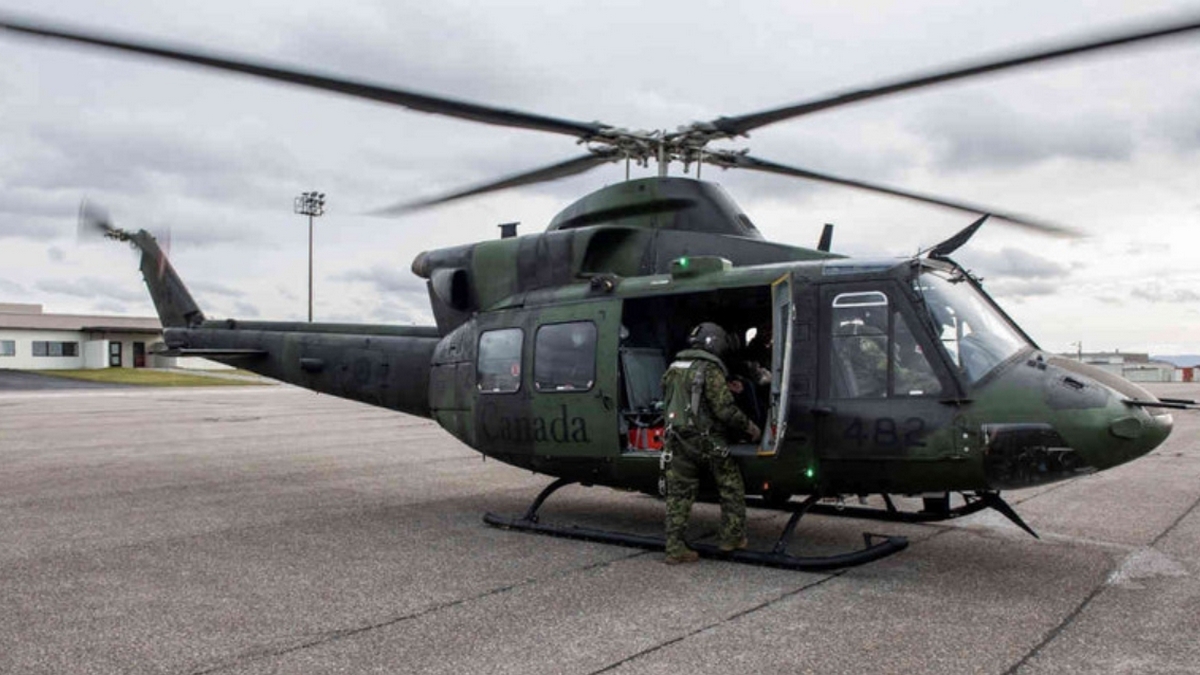
The H-1 models have a unique benefit to support and maintenance; the AH-1Z and UH-1Y possess an 85% commonality across their parts to include maintenance procedures, support equipment, and training. This means that engineers can become experts in the field on two aircraft at the same time, only having to learn a very small differentiating section between the two platforms. It means that maintenance is swift, you don’t need a dedicated team for each aircraft, and the part commonality allows for maintenance costs to be lower as you’re essentially catering for two models within a single supply chain.
AN: Other manufacturers are also present on the Ukrainian market – Airbus, Leonardo, as well as Polish and Turkish partners. Why should Ukraine choose Bell Textron as its long-term strategic aviation partner?
BT: The many benefits of the AH-1Z and UH-1Y – their shared support, maintenance, and training structure and unique ability to work in tandem – make them mission ready in a wide array of scenarios, giving them benefits far beyond their counterparts. Modern and survivable attack and utility capabilities supported through a largely single supply, training, MR&O (maintenance, repair, and overhaul) is unique only to the Viper and Venom and presents cost savings and operational flexibility benefits to its owners.
Couple these cost savings and operational flexibility benefits with Bell’s long- term investment and partnership goals for Ukraine, the LOI between Bell Textron and Ukraine is not just exploring a standard platform purchase – it’s looking toward future long-term industrial partnership.
 AN:
AN: Does your plan for Ukraine focus exclusively on military production, or does it also include civilian models – such as the Bell 505 for medical evacuation, the agricultural sector, or post-war reconstruction infrastructure projects?
BT: Bell offers solutions to meet the growing need of versatile public safety and defense requirements, If asked, we can offer Special Missions aircraft leveraging proven platforms such as the 505, 407M. 412M, and 429M.
AN: What is a realistic timeline: when might the first helicopter assembled in Ukraine bearing the Bell logo take off from a Ukrainian airfield – and what is the key condition for this to happen?
BT: As an AH-1Z and UH-1Y procurement would be through an FMS agreement between USG and Ukraine, we recommend directing this specific question to either the US or Ukraine governments. Bell will work with the USG and Ukraine to develop a timeline that meet the requirements of the FMS agreement.
The interview with Philip Anthony Fickes demonstrates that Bell Textron views Ukraine not as a temporary customer or another export destination, but as a potential long-term partner. Although the specific parameters of future cooperation are still under discussion, the establishment of Bell Textron Ukraine and the ongoing dialogue with Ukrainian industry indicate that the American company is approaching this partnership with serious strategic intent.
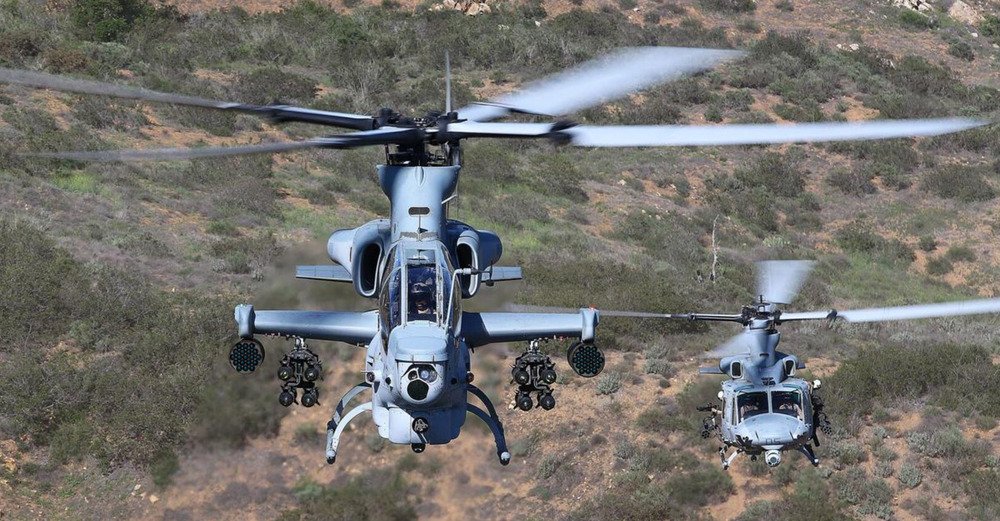
If these plans are ultimately implemented, Ukraine could gain not only new combat platforms such as the AH-1Z Viper and UH-1Y Venom, but also an opportunity to become one of Europe’s key hubs for the production, maintenance, and modernization of Bell Textron helicopter systems. For Ukraine’s aviation industry, this could become one of the largest international industrial partnerships of the past several decades.