


winglets

Joined: Dec 2001
Posts: 1,389
Likes: 0
From: England
Jan 2012. Airbus files patent for flexible downward pointing winglet...
Airbus Files Patent For Downward-Facing Winglet at Flightstory.net - Aviation Blog, News & Stories
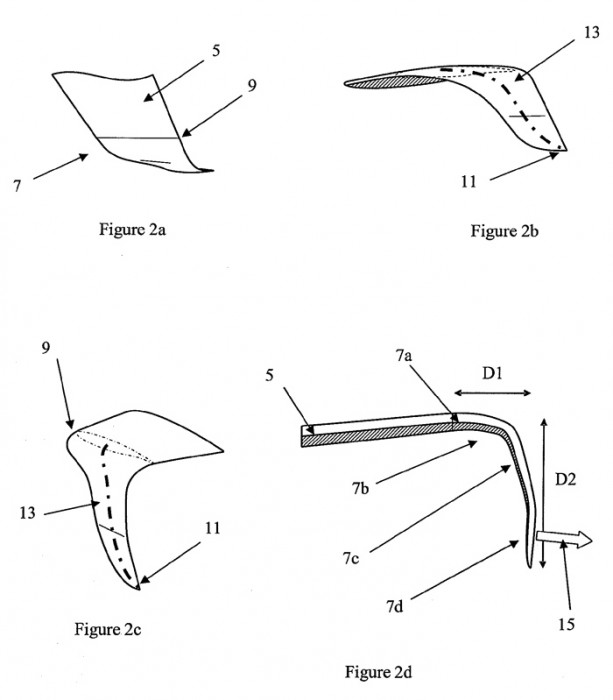
Airbus Files Patent For Downward-Facing Winglet at Flightstory.net - Aviation Blog, News & Stories


Joined: Apr 2008
Posts: 1
Likes: 2
From: nowhere
Why no 777 winglets......
To counteract this effect, the wing needs to be strengthened. On an Airbus A330, some 440 pounds of reinforcement had to be added.
Tamarack Active Winglets Offer Weight-saving Aerodynamic Improvements | Aviation International News
To counteract this effect, the wing needs to be strengthened. On an Airbus A330, some 440 pounds of reinforcement had to be added.
Tamarack Active Winglets Offer Weight-saving Aerodynamic Improvements | Aviation International News

Joined: Mar 2011
Posts: 1,407
Likes: 0
From: engineer at large
Look who didnt read this thread!
JetBlue Airways (JBLU) has agreed to purchase 110 ship-sets of retrofit Sharklets from leading aircraft manufacturer – Airbus.
http://finance.yahoo.com/news/jetblu...w_default=true
JetBlue Airways (JBLU) has agreed to purchase 110 ship-sets of retrofit Sharklets from leading aircraft manufacturer – Airbus.
http://finance.yahoo.com/news/jetblu...w_default=true

Joined: Jun 2010
Posts: 381
Likes: 0
From: Canada
FlightPath,
It looks weird because of the perspective of the photo. Here is another photo taken of the same airplane. http://i.imgur.com/uuqth6O.jpg
You can see the right winglet is nicely tilted upwards and not "curled-over" like your photo makes it look like. The left winglet explains the discrepancy between your photo and mine - the winglet is actually curved backwards towards the tail. It seems logical that this would help reduce induced drag as the winglet is affecting the air for a longer time, reducing the intensity of the wingtip vortex. It'd be interested in some aerodynamic analysis of this but I doubt Airbus will be revealing any of that data!
It looks weird because of the perspective of the photo. Here is another photo taken of the same airplane. http://i.imgur.com/uuqth6O.jpg
You can see the right winglet is nicely tilted upwards and not "curled-over" like your photo makes it look like. The left winglet explains the discrepancy between your photo and mine - the winglet is actually curved backwards towards the tail. It seems logical that this would help reduce induced drag as the winglet is affecting the air for a longer time, reducing the intensity of the wingtip vortex. It'd be interested in some aerodynamic analysis of this but I doubt Airbus will be revealing any of that data!


