


Pitot Tube Drain - Design Question

Thread Starter
Joined: Oct 2006
Posts: 201
Likes: 9
From: Fareham
Pitot Tube Drain - Design Question
I have searched the web and my variuous textbooks to try and find the answer to this question, but to no avail...
How doe the drain-hole in a pitot tube function? Or to be more precise, how does it allow moisture (and presumably air) to 'leak' from the rear of the static chamber without influencing the static pressure and thus airspeed readings?
Thanks in advance...
How doe the drain-hole in a pitot tube function? Or to be more precise, how does it allow moisture (and presumably air) to 'leak' from the rear of the static chamber without influencing the static pressure and thus airspeed readings?
Thanks in advance...


Joined: Mar 2002
Aviation Qualifications: CPL
Posts: 3,384
Likes: 317
From: near an aeroplane
The pressure in the static chamber will not change much due to a small leak, as this will act as just another static pressure port. In a total pressure chamber, the resulting pressure will be slightly lower due to the leak, but as it is a constant and known leak, you can calibrate the system to allow for it.

Joined: Feb 2006
Aviation Qualifications: LAME
Posts: 36,137
Likes: 5,738
From: Falling off the end of the thread


Joined: Aug 2013
Posts: 30
Likes: 0
From: PA
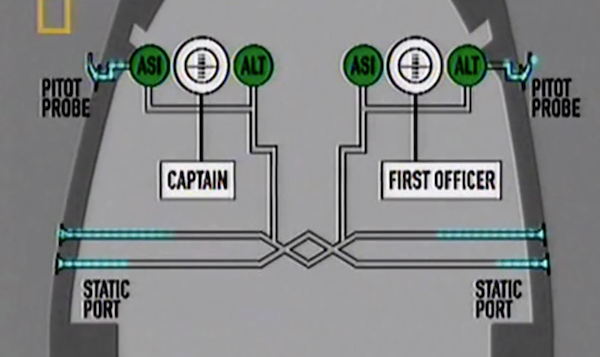
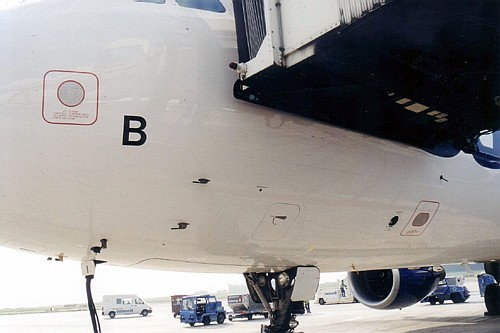
The pitot tube provides ram air pressure, the static ports are located separately. The difference is the total pressure which is used for airspeed. You must have both operational.
A320 static and dynamic:
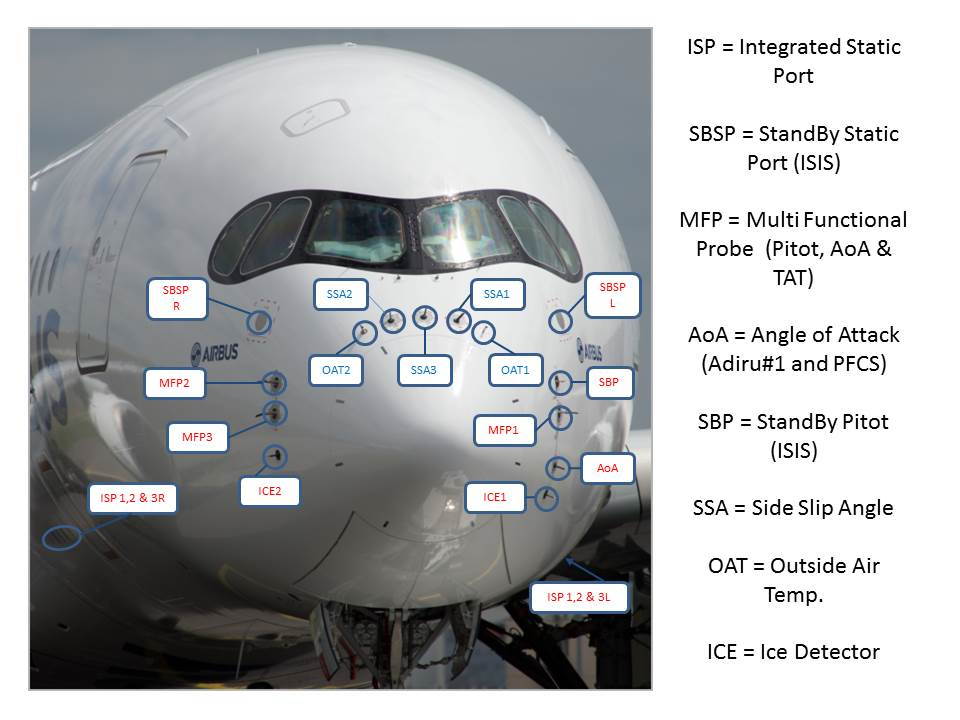
A350 a bit more complicated...
Last edited by underfire; 8th December 2018 at 11:01.
Joined: Apr 2002
Posts: 734
Likes: 0
From: Nirvana South
Most Air Transport & Business Jet Pitot Static systems do not have a drain port as they can too easily be compromised by rain & atmospheric humidity. They have separate Drains with bottles that need to be checked & emptied if needed. Even then, the amount of moisture especially in the tropics can cause problems such as those that gave rise to this AD. The sizing of the total internal volume was, from memory, a bit of hit & miss in that it was a compromise between having sufficient volume not to be overwhelmed and being too big such that there was unacceptable lags introduced into the Air Data System. (As an Avionics Engineer I was not involved with this - it was a collaboration between our Flight Sciences Group and the Mechanical Designers).
By the way, most Aircraft Manual illustrations (such the one above) are much simplified as they are for general system understanding and do not include the structural details contained in the Maintenance Manuals. In addition no modern jet will have directly plumbed instruments as shown - the Pitot Tubes & Static Ports will connect to the Air Data Computers or, more recently, the electronic sensors are contained within the probes themselves. Similarly the Standby Instruments have not been mechanical on most large aircraft for some time and read out on the Standby Attitude Indicator.
By the way, most Aircraft Manual illustrations (such the one above) are much simplified as they are for general system understanding and do not include the structural details contained in the Maintenance Manuals. In addition no modern jet will have directly plumbed instruments as shown - the Pitot Tubes & Static Ports will connect to the Air Data Computers or, more recently, the electronic sensors are contained within the probes themselves. Similarly the Standby Instruments have not been mechanical on most large aircraft for some time and read out on the Standby Attitude Indicator.
Last edited by ICT_SLB; 10th December 2018 at 02:45.
