al446
your post is quite interesting in that you either hold pilots in disdain, or you hold people that choose to consider varying contributing factors that result in a situation and use factual data to determine the most effective way forward in disdain.
what you seem to value are those that subscribe to your point of view without challenge.
As you have pointed out several times, you are very much a union person, however, you take the assertion of factual data, no matter how blunt it may be, pertaining to a specific issue and respond by asserting that you hold those that do not subscribe to your rigid viewpoint with disdain.
It's that sort of mentality that turns people away from unions and why management and union relationships are so confrontational.
The points i have put across so many times in so many varying methods is quite simple:
let me put it another way:
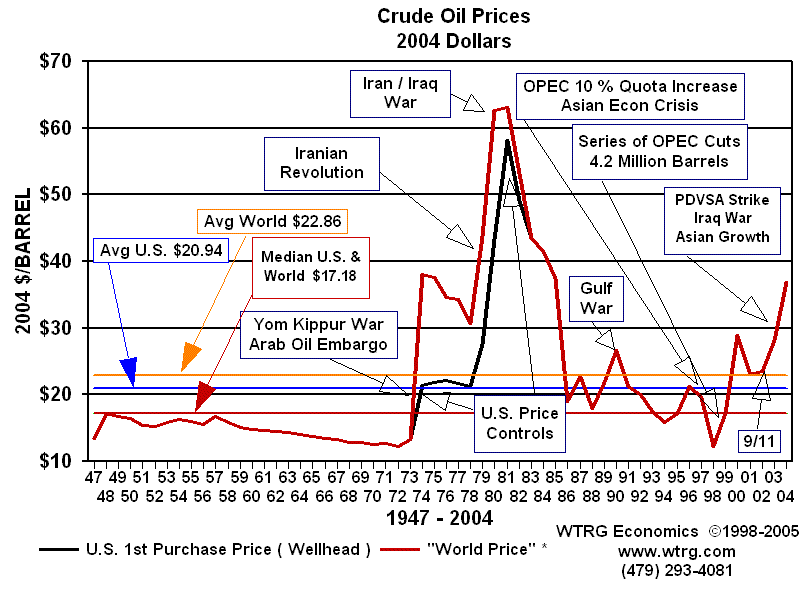
image stripped click
here
Aircraft operating costs are on the rise and have been.
Aside from fuel, there are other significant factors that come into play, i am NOT give to give a dissertation on the economics of aircraft operations, contributing factors and legislative influencing factors, however.
Aside from Fuel, the next largest contributing factor for aircraft operation is maintenance reserves, which covers airframe, engines, APU and does not account for avionics upgrades subject to legislative requirement.
Crew costs are up there in the top 5 of operating costs, however, the air carrier has little ability for adjustment in the single largest factor, Fuel. We wont even consider that issue of amortisation / depreciation, lease rates.. or anything to do with the asset itself.... that is a whole other issue and could fill a book.
Likewise the implications of taxation on the asset, on the corporation, on the industry.. another issue in itself and could fill a book.
From the graph above, you will note the historical adjustment in fuel costs.
While fuel costs have grown significantly, ticket prices in real terms have dropped significantly over the same period, as has been necessary for competitive stability.
Overlay the adjustment in fuel prices with industry peaks and troughs. As prices have gone up, ticket prices come down, industry instability has come to the fore.
The erosion of T&C's in the industry is directly linked to the increase in costs that operators face, not down to one specific operator.
if you want informed debate, then have informed debate, not be derisory to those who do not subscribe to *your* point of view.