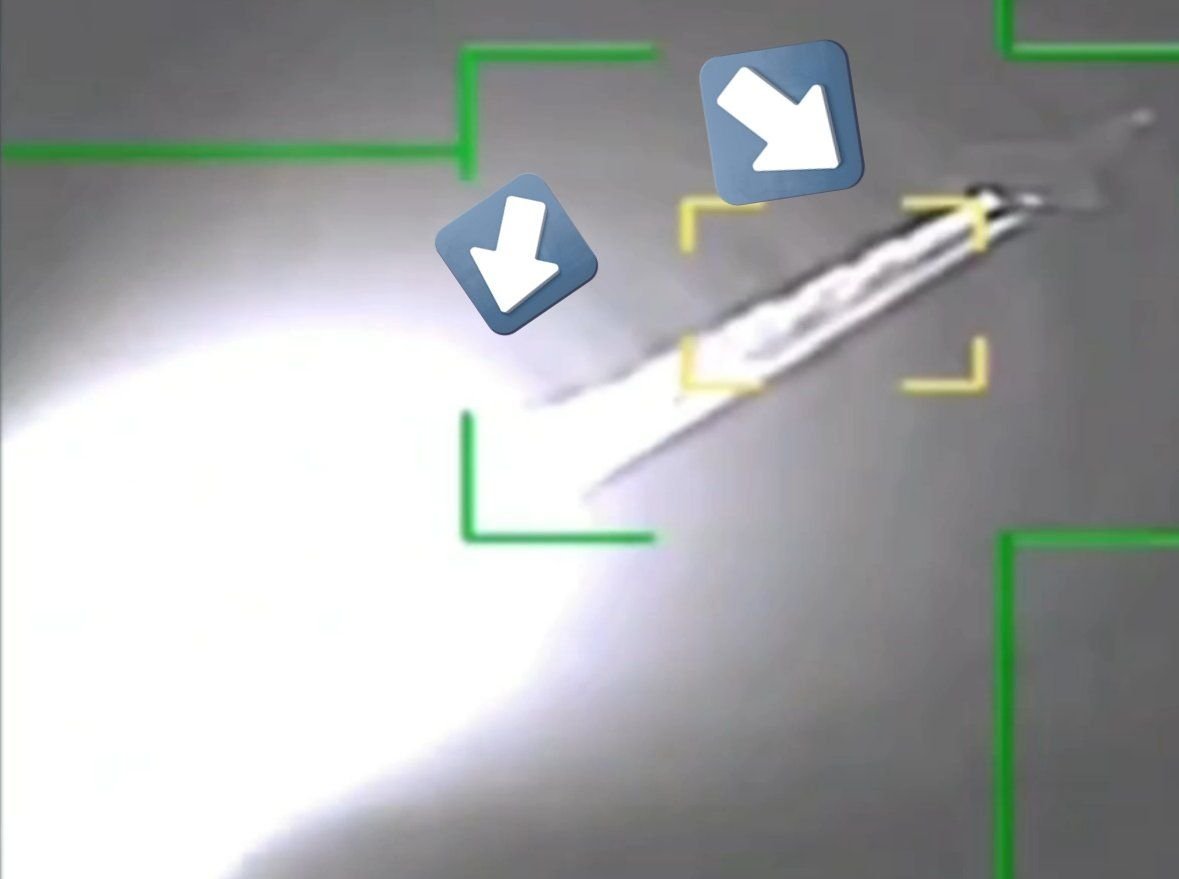
Reference the F-35. Remember that the F-35 is not a fully stealthy airplane like the F-22 or B-2. Designed to keep within a budget its stealth is optimised to the front hemisphere - where it would expect most attacks, and is patchy in the rear hemisphere. And of course it generates an enormous amount of heat and struggles to get rid of it - an issue trying to addressed during it’s future. engine and systems upgrade. In this case the F-35 seems to have been hit by a rear hemisphere IR guided missile.
In short this does not reveal any unknown failure in the F-35 design, you can expect the odd loss in combat, all the design does is minimise the risk - not eliminate it.
And it got home……
The U.S. F-35 apparently didn’t take a direct hit, which allowed it to escape and make an emergency landing at the nearest regional base. However, the jet may have sustained damage from the SAM blast.
It looks like the Iranians employed an infrared-guided (IR) surface-to-air missile with optical or electro-optical tracking to engage the jet. In this scenario, the F-35’s stealth features wouldn’t offer much protection against a missile homing on heat and visual signatures.