"The FAA avoids this situation by alleviating from this limitation in FAR 91.9(d) - but only for operations over water." - Same thing here in Brazil.
Jim,
I believe that something that can be added to the content is the Operations without an assured safe forced landing capability (OpsSpec H 305?). Could you write something about it?
I found this Advisory Circular from CASA:
https://www.google.com/url?sa=t&rct=...--F1nH32pflzgH
FAA has already authorized Bristow to operate in this manner. Can we consider a breakthrough? Should other countries follow?
https://www.google.com/url?sa=t&rct=...qioq8TNreJjOyc
212man,
"The Category Ahorizontal takeoff procedure shown diagrammatically in Figure 4-7 features variable Takeoff Decision Points (TDP) and Takeoff Safety Speeds (Vtoss). The TDP, expressed only in terms of airspeed, is selectable in 1 knot increments between 30 and 48 knots. Vtoss is TDP + 15 knots. This permits payload to be traded off against available field length in such a manner that Category Aone engine inoperative (OEI) climb performance minima can be maintained over a wide range of environmental conditions."
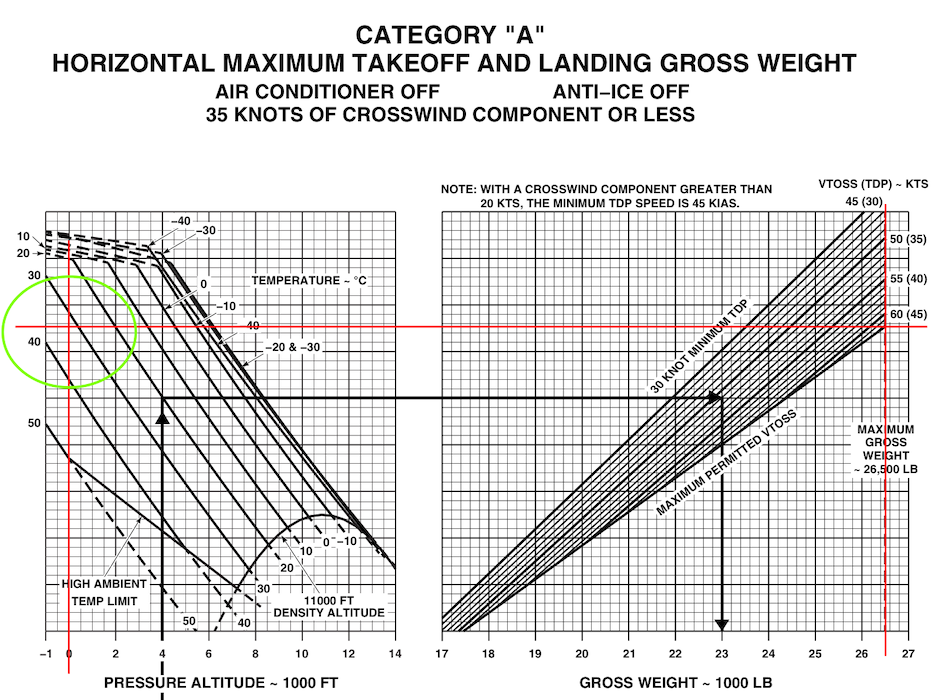
As you can see, maximum permitted VTOSS goes up to 62kt (shouldn't it be 63kt?)
Graphic with ANTI-ICE ON goes up to 63kt.
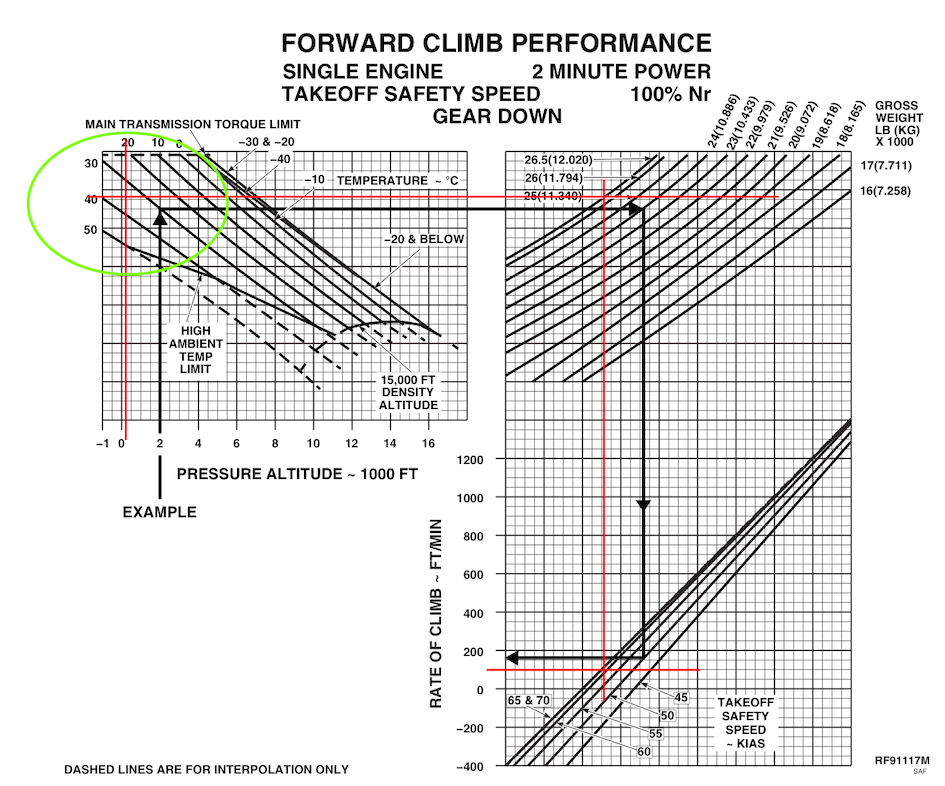
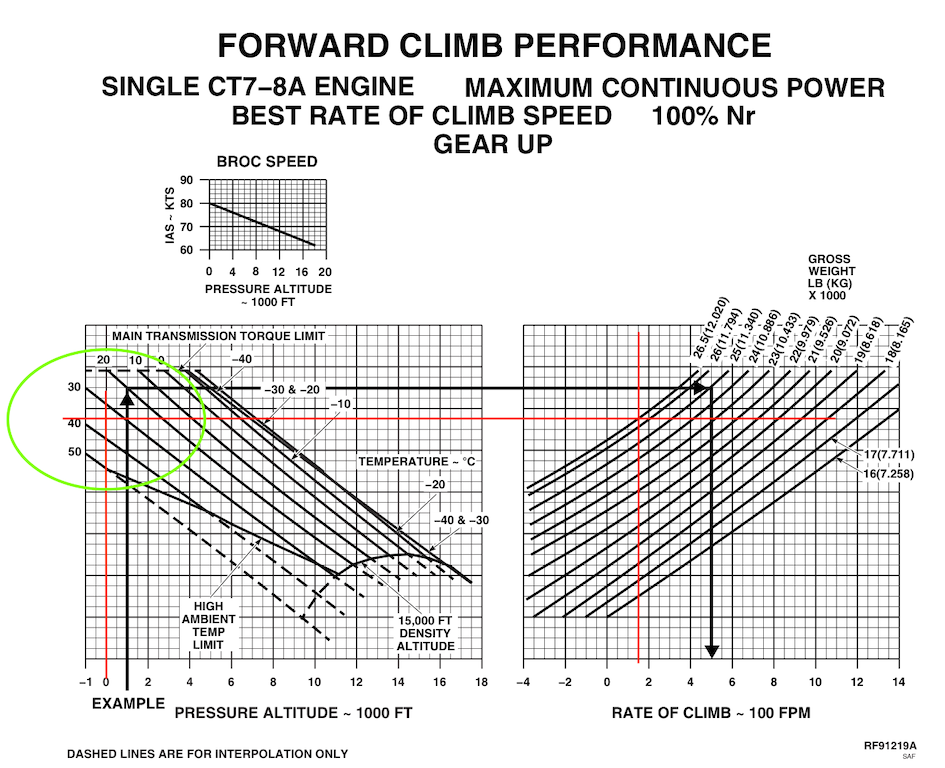
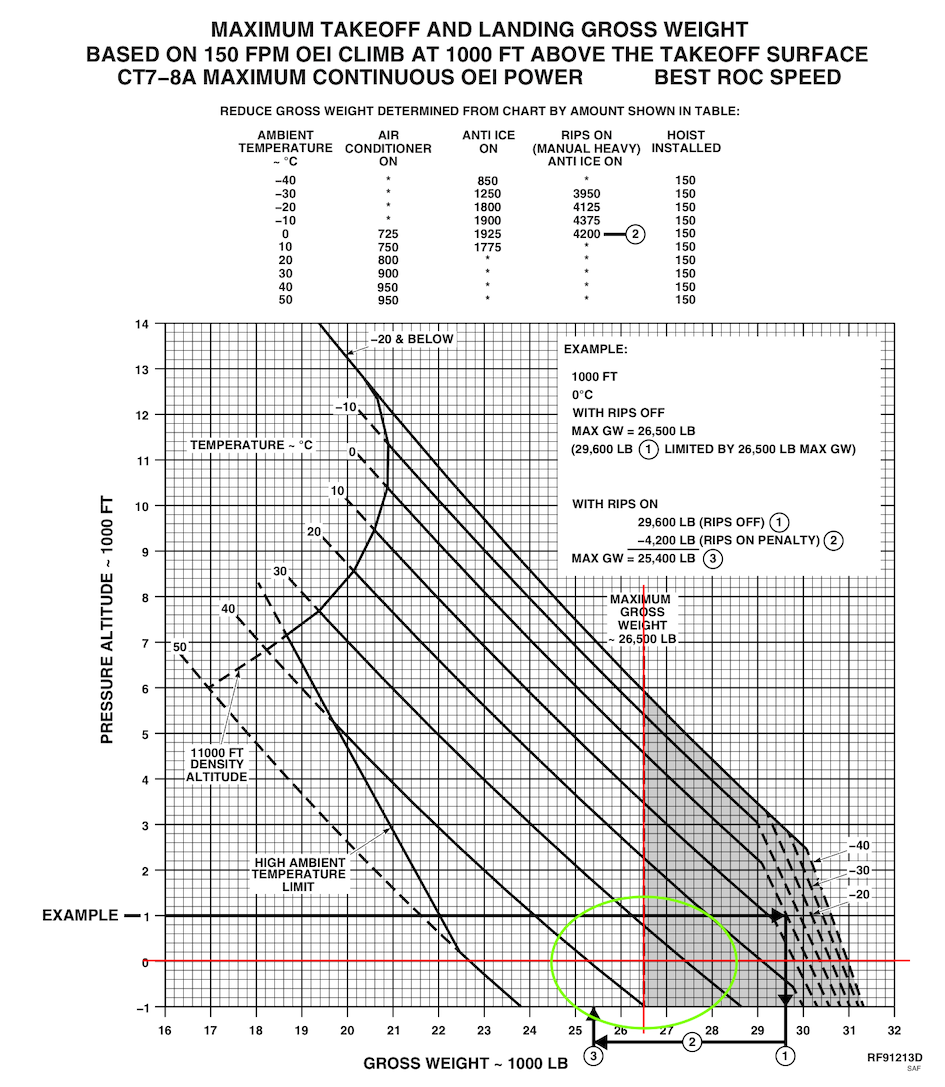
The second Graphic is first segment climb performance, and there is a 70kt VTOSS on it... but if you use 63kt you will find 34°C, that matches with the second segment climb performance and PC2 maximum takeoff and landing gross weight.