It has always been taught in my experience, that if landing on any deck/platform or surface that moves, turn the "automatics" off after landing and it is normally the last thing to engage before getting airborne again. The rationale being the fundamentals of the two different systems - SAS & ATT (or APLT). But each system has direct control on the tip path plane of the disc with the very real potential of taking heads off.
SAS on most, if not all helicopters is called an "inner" loop system. That is, it acts completely independently of your stick position. It is designed to provide short term dampening and gust alleviation from short term changes in pitch/roll/yaw rate sensors (gyros/accelerometers). This short term change is then processed (in the AFCS computer) and a signal sent to the hydraulic/electric actuators to command an input change to the disc. SAS actuators are the "muscle" to convey the desired disc change that the SAS portion of the AFCS desires. This means the SAS by itself can physical change the tip path plane without any input from the pilot and without any change to the pilot's stick position.....ie an "inner' loop control input. The pilot has no idea how much of an input the SAS is giving to the disc. The SAS normally only has a limited control authority - something like 5-15% only (don't quote me on this ...it has been some time and may vary from system to system). None-the-less, SAS has the power to change your disc's tip path plane without your input and subject to external forces beyond your control....sometimes significantly so depending upon the external disturbance.
ATT/APLT is called an "outer" loop system. It provides long term stability such as Attitude hold and long term navigation. As such, it takes inputs for not only the pitch/roll/yaw rate sensors but the attitude gyro, the navigation inputs, accelerometers, pressure instruments etc. The Autopilot ("long term") part of the AFCS computer calculates the Long Term stability or aircraft positional information eg heading, airspeed, height, ROC, etc and determines where it needs to position the flight controls to achieve that result. The AFCS/APLT does this by sending its processed signal as an output to the Force Trim, which then inputs to the disc via the Force Trim motors....ie the Force Trim is the "muscle" for the APLT to operate....the AFCS is it's brains. Hence you will physically feel your flight controls (cyclic/pedals & collective for 4 axis) move without your input or against your pressure as response to an input commanded by the AFCS/APLT. Similar to the SAS, you will see the tip path plane dance in response to the APLT input (long term stability) BUT you will also feel your flight controls move as well - the major difference to SAS input.
The APLT control authority is up to 100%. Because you feel the cyclic/pedals/collective move if the APLT makes an input to the disc, you can be made aware of these inputs and try to counter them by pushing against the force trim or pickle off the APLT (remove the brains) or Force Trim (remove its muscle).
Force Trim - is simply a means of holding the flight control position steady to allow the pilot to remove his hands from the flight controls in order to do other things in the cockpit without fear of the cyclic/pedals literally falling over and rapidly having the aircraft go out of control....ie the the UH1 without force trim on. It has up to 100% control authority if you were to continue to beep the coolie hat to change the disc/attitude, it will continue to input a stick change to displace the disc attitude. It is used as the "muscle" by the APLT function of the AFCS.
SAS actuators - Because the SAS requires a limit to it's control authority (eg 5-15% is typical), it has its own set of SAS actuators which have limited control authority, separate from the Force Trim (which has 100% control authority). This system provides NO feedback to the cyclic/pedals/collective if it generates a change to the disc attitude.
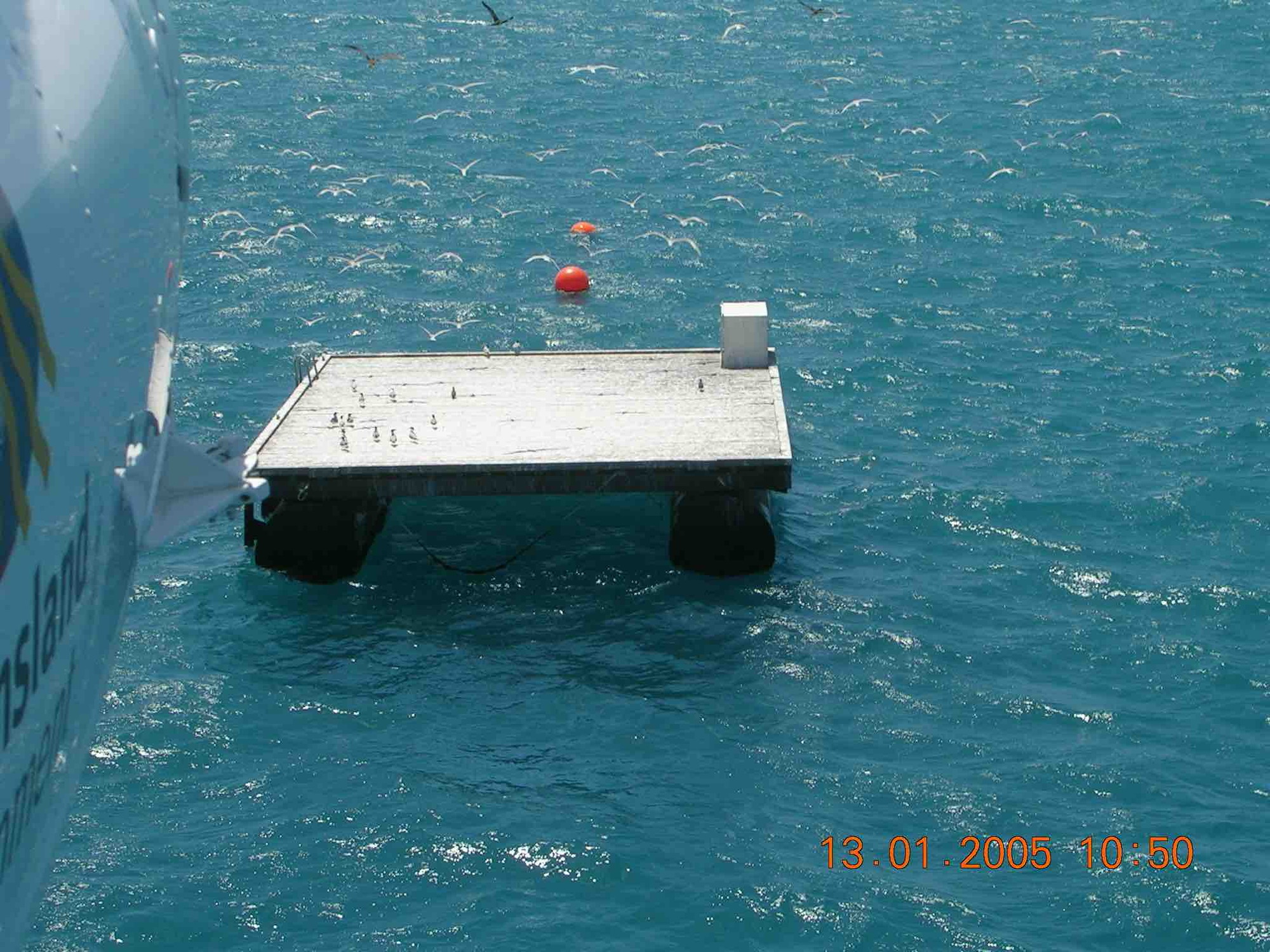
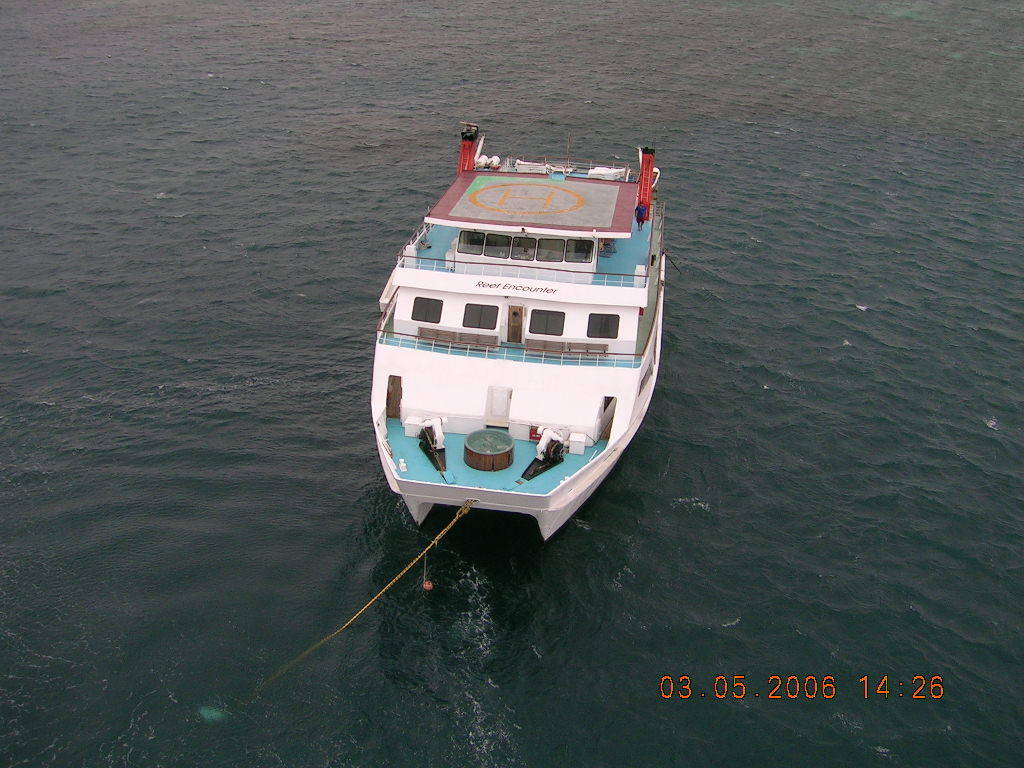
Landing on Decks - So when landing on any floaty/moving platform (the smaller the platform the more critical), it is STRONGLY suggested that you turn off the AFCS - both APLT (long term stability) AND the SAS (short term stability - leave Force Trim ON. Next time you are on a small bobbing platform, try leaving the SAS on and observe just how much the tip path plane moves just under SAS inputs without your stick moving. It is enough to take heads off when manoeuvring under the disc with any sort of deck movement. Leave the Force Trim on as it will help hold the disc steady ref the aircraft. By disengaging the SAS/APLT, all you have done is killed the "brains" which are easily fooled by outside disturbances. The Force trim by itself cannot change the disc attitude unless you physically input to it.....which you may have to do if the deck is really moving.
 Hope this provides some distinction between SAS & ATT/APLT and why its strongly advisable to get into the habit of disengaging the "brains" of both while conducting deck/platform operations.
cheers
Hope this provides some distinction between SAS & ATT/APLT and why its strongly advisable to get into the habit of disengaging the "brains" of both while conducting deck/platform operations.
cheers